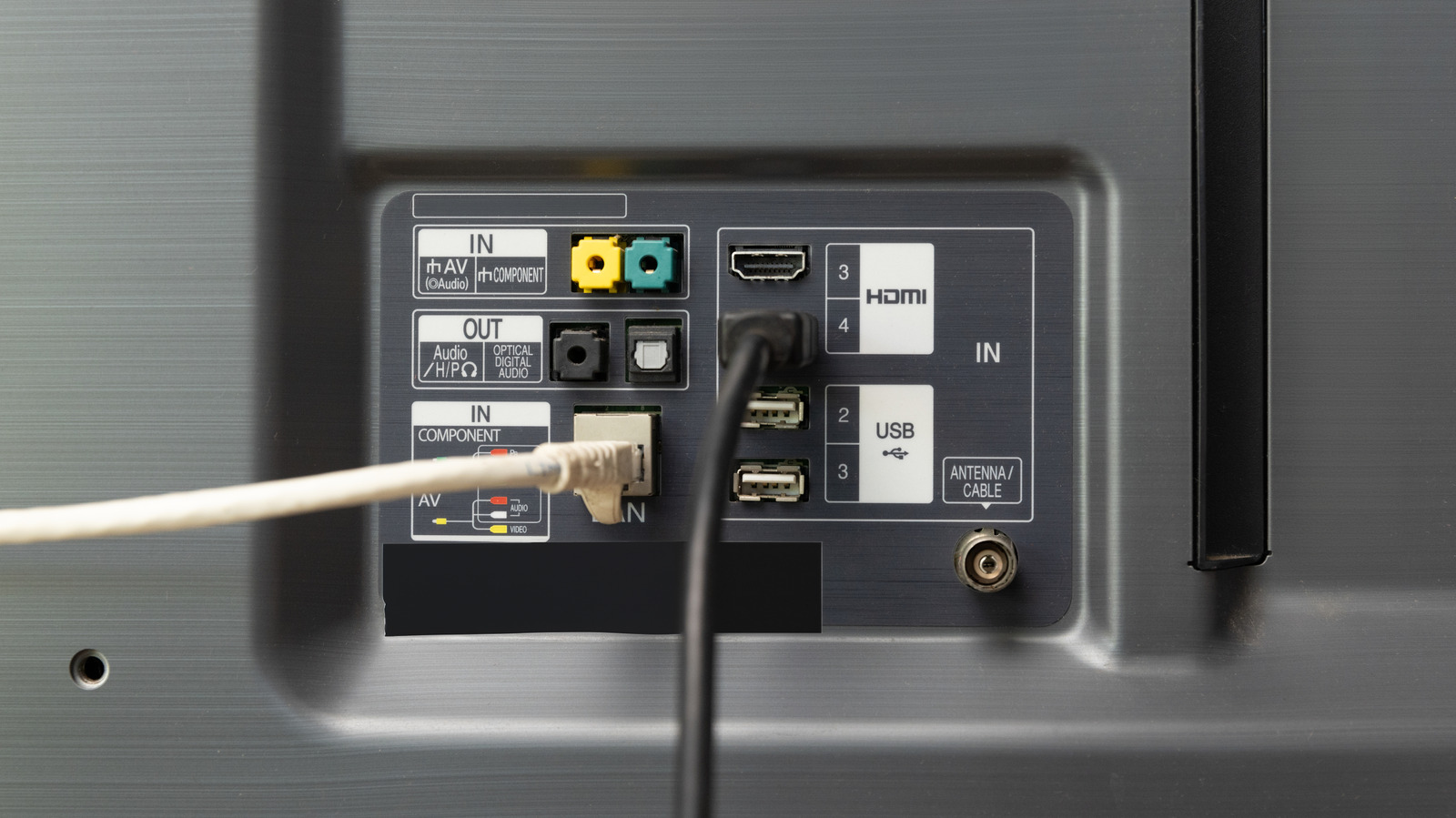
A closer look at “Smart TV Ethernet vs. Wi-Fi: Why Wired Connections Still Matter Despite Slower Speeds”, exactly as the source publishes it. Many smart TVs ship with Ethernet ports capped at 100 Mbps, while their Wi-Fi modules can reach several hundred Mbps. This surprising spec gap means wireless often delivers faster raw throughput for streaming. Ethernet offers lower latency and greater stability, which can reduce buffering during live sports or 4K HDR playback, especially in congested Wi-Fi environments. For users experiencing intermittent drops or interference, a wired connection may provide a more consistent experience despite the lower theoretical ceiling.
The choice ultimately depends on your home network setup and viewing habits. As streaming quality continues to rise, the reliability of Ethernet could become more valuable than its speed. Nova Global News curates publicly available headlines and summaries with source attribution. This listing links straight to the original page, where the content is available in full.