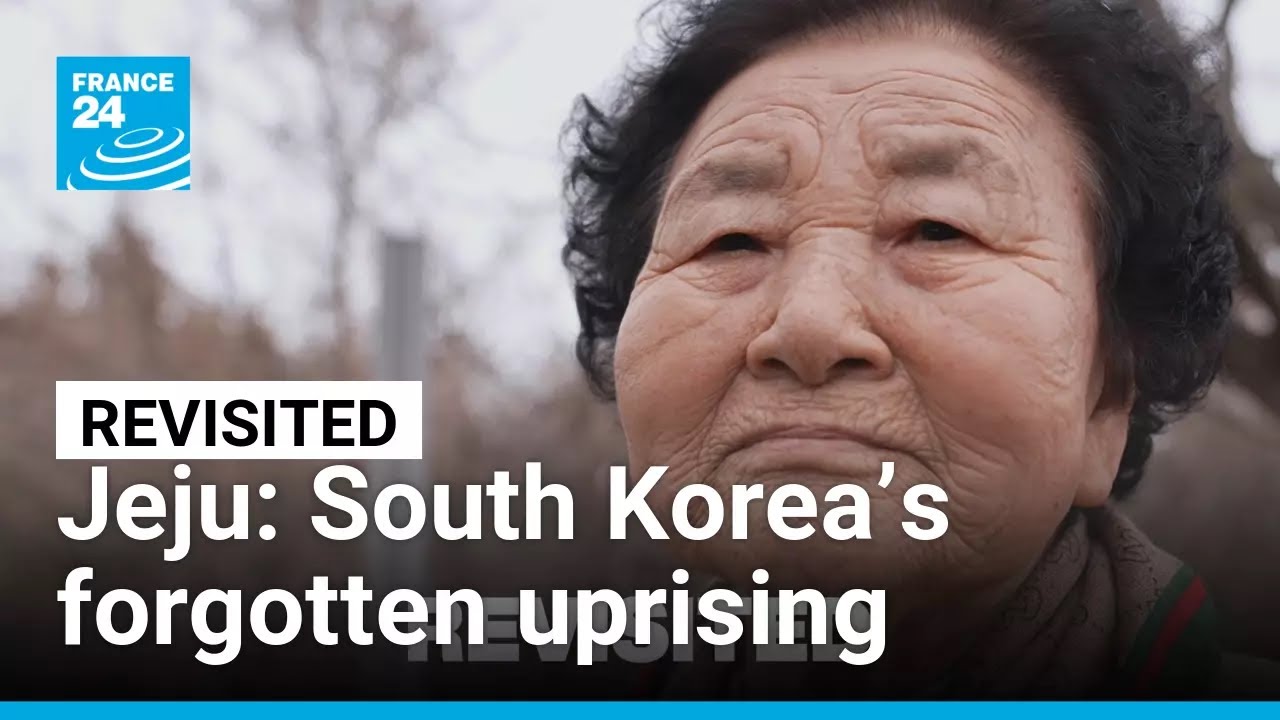
Nearly 80 years after a violent suppression of dissent on Jeju Island, the full scale of the tragedy remains largely unrecognized. In the aftermath of World War II, Korea was split along ideological lines, with the South under American influence and the North aligned with the Soviet Union. On Jeju, local resistance to this division was met with harsh military action, leading to widespread casualties. The South Korean government labeled the island a communist threat, justifying extensive operations that resulted in the deaths of tens of thousands of civilians.
The events have been obscured by time and official silence, with little public acknowledgment until recent years. Survivors and their families have sought recognition and truth, but historical records remain incomplete. This story reflects broader patterns of political repression during the early Cold War period. Efforts to preserve memory continue through research, documentation, and advocacy, aiming to ensure that the victims are not forgotten. The struggle for justice and remembrance persists across generations.