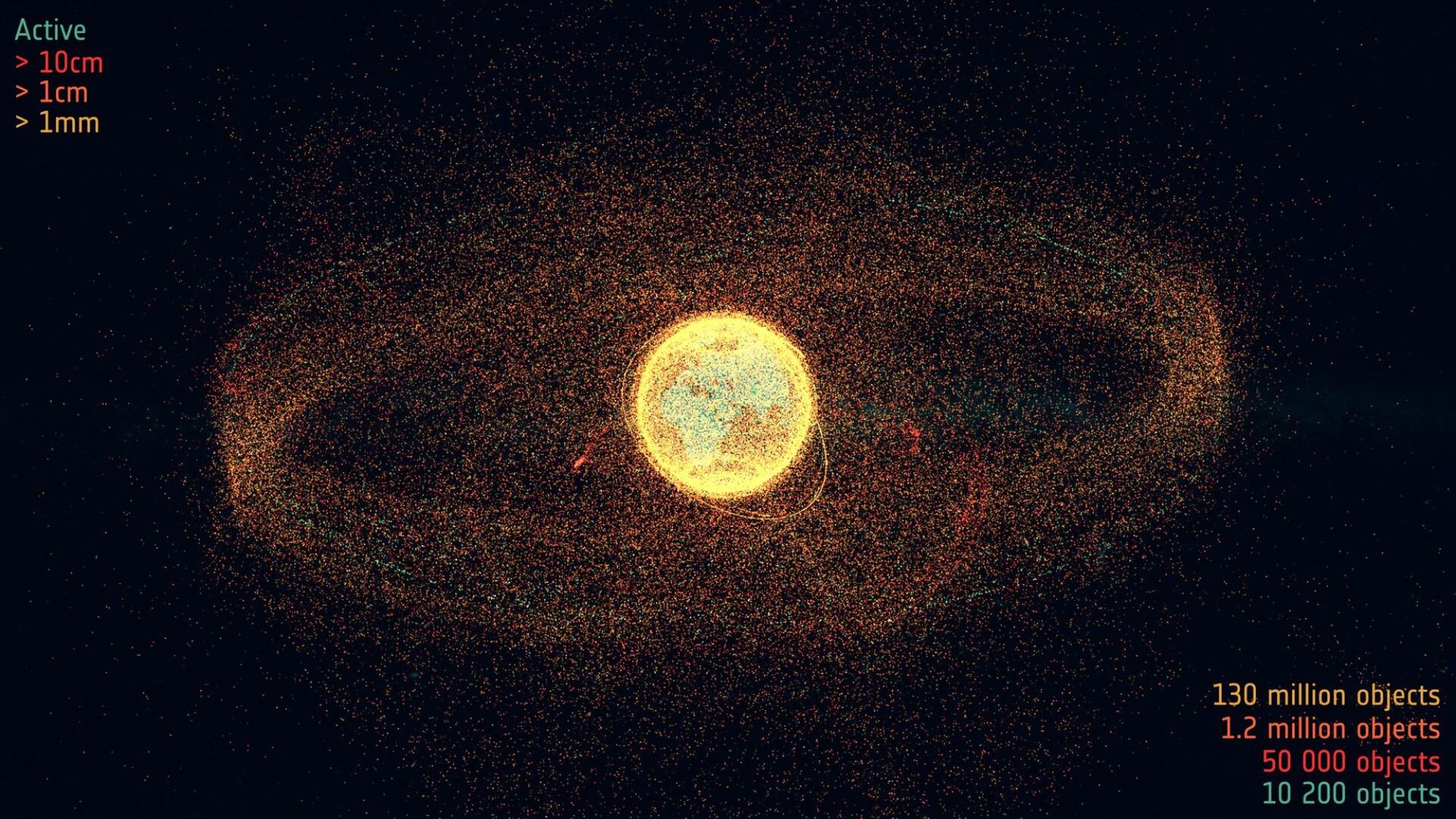
Content overview: “Space Debris Threat: Why Orbital Sustainability Is Critical for Modern Life”. Space is no longer a distant frontier but a critical infrastructure layer that underpins nearly all systems enabling modern life—from global communications and navigation to weather forecasting and financial transactions. As reliance on satellites grows, maintaining a safe and clean orbital environment has become an urgent priority for governments, private companies, and international bodies. The accumulation of space debris—defunct satellites, spent rocket stages, and fragments from collisions—poses a direct threat to active spacecraft and the services they provide.
Without coordinated action, the risk of cascading collisions, known as Kessler Syndrome, could render key orbits unusable for generations. This op-ed examines whether current efforts, including debris mitigation guidelines and emerging removal technologies, are sufficient to achieve true sustainability in space. The answer will shape the future of the global space economy and the everyday technologies that depend on it. This listing links straight to the original page, where the content is available in full.