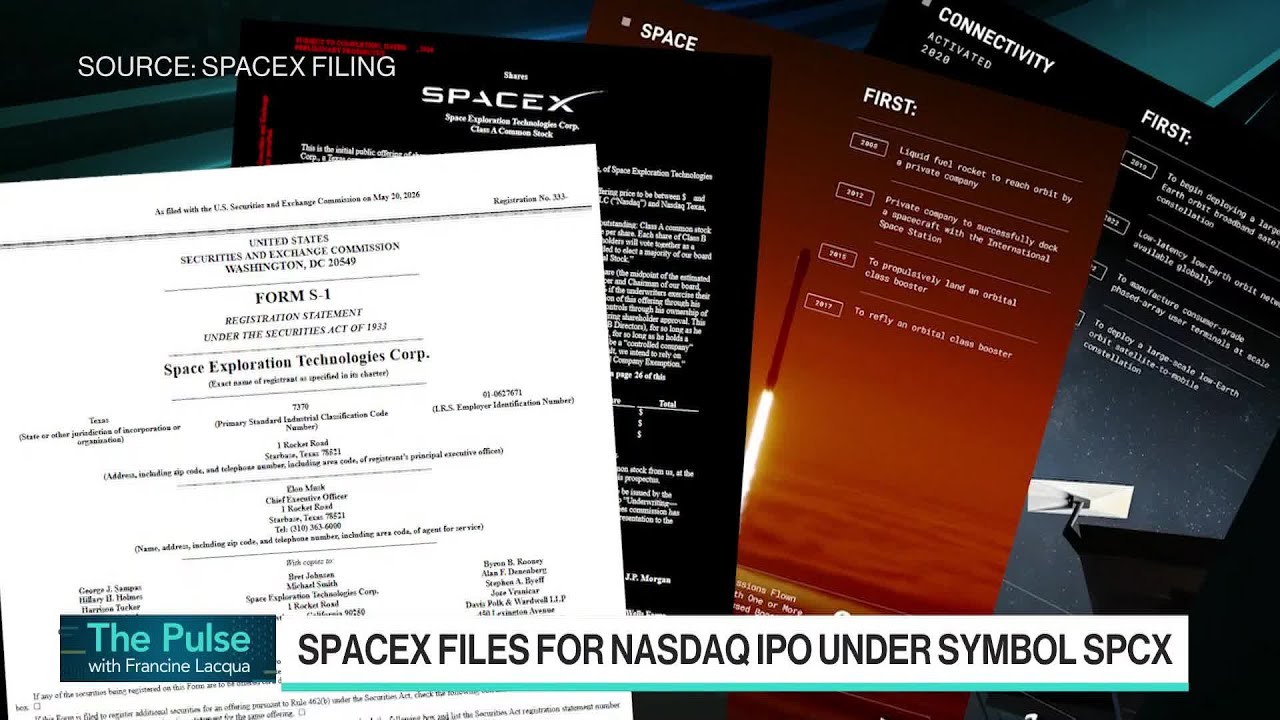
SpaceX has submitted its filing for a potential initial public offering, marking one of the most significant stock market entries in history. The company disclosed a net loss of $4.28 billion against revenue of $4.69 billion during the first quarter. Despite these financial results, SpaceX continues to pursue ambitious projects in rocket technology, satellite deployment, and artificial intelligence. A key feature of the filing is the proposed super-voting share structure, which would allow Elon Musk to maintain ultimate control over the company even after going public.
Investors remain divided on whether SpaceX’s projected valuation of up to $2 trillion reflects realistic long-term prospects. While the company's growth trajectory and technological advancements are widely recognized, its substantial losses raise questions about sustainability. The IPO process brings increased scrutiny, particularly regarding governance and future profitability. As SpaceX moves toward public markets, the focus will intensify on how it balances innovation with financial performance.