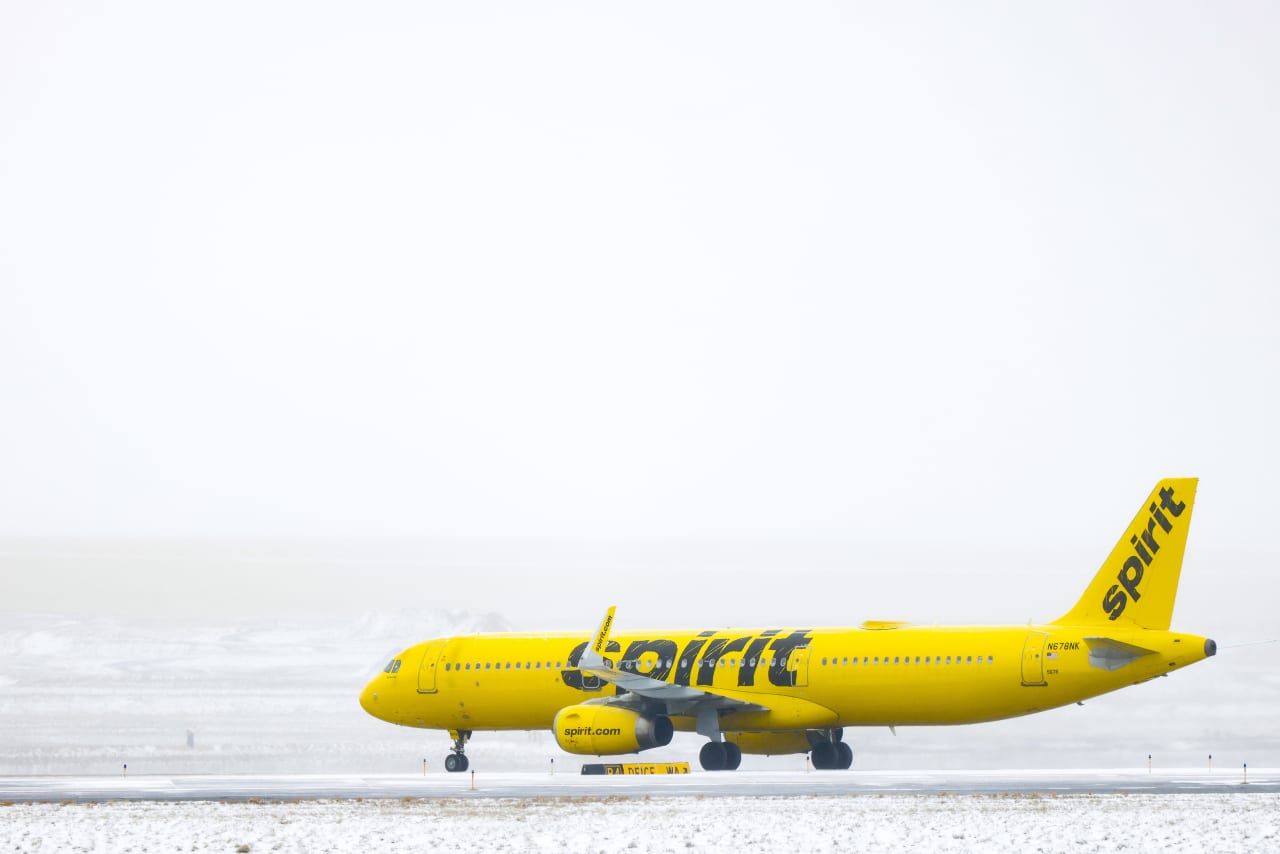
Spirit Airlines has halted all future flight operations, marking a sudden end to an airline once known for its ultra-low-cost model. The decision follows a series of strategic missteps and mounting operational difficulties that undermined its stability. Reports indicate the carrier failed to adapt to shifting market conditions, including rising fuel prices, increased competition, and evolving passenger expectations. Despite initial success as a budget innovator, the airline struggled to maintain financial health amid logistical challenges and declining service reliability.
The collapse has left thousands of travelers disrupted and raises broader concerns about the sustainability of no-frills airline models in today’s environment. Industry experts note that while low-cost carriers can thrive with strong execution and flexibility, Spirit’s inability to adjust its approach proved fatal. Its downfall serves as a warning about the risks of underinvestment in infrastructure and customer experience. The event underscores how quickly even well-established business models can falter without continuous adaptation and sound management.