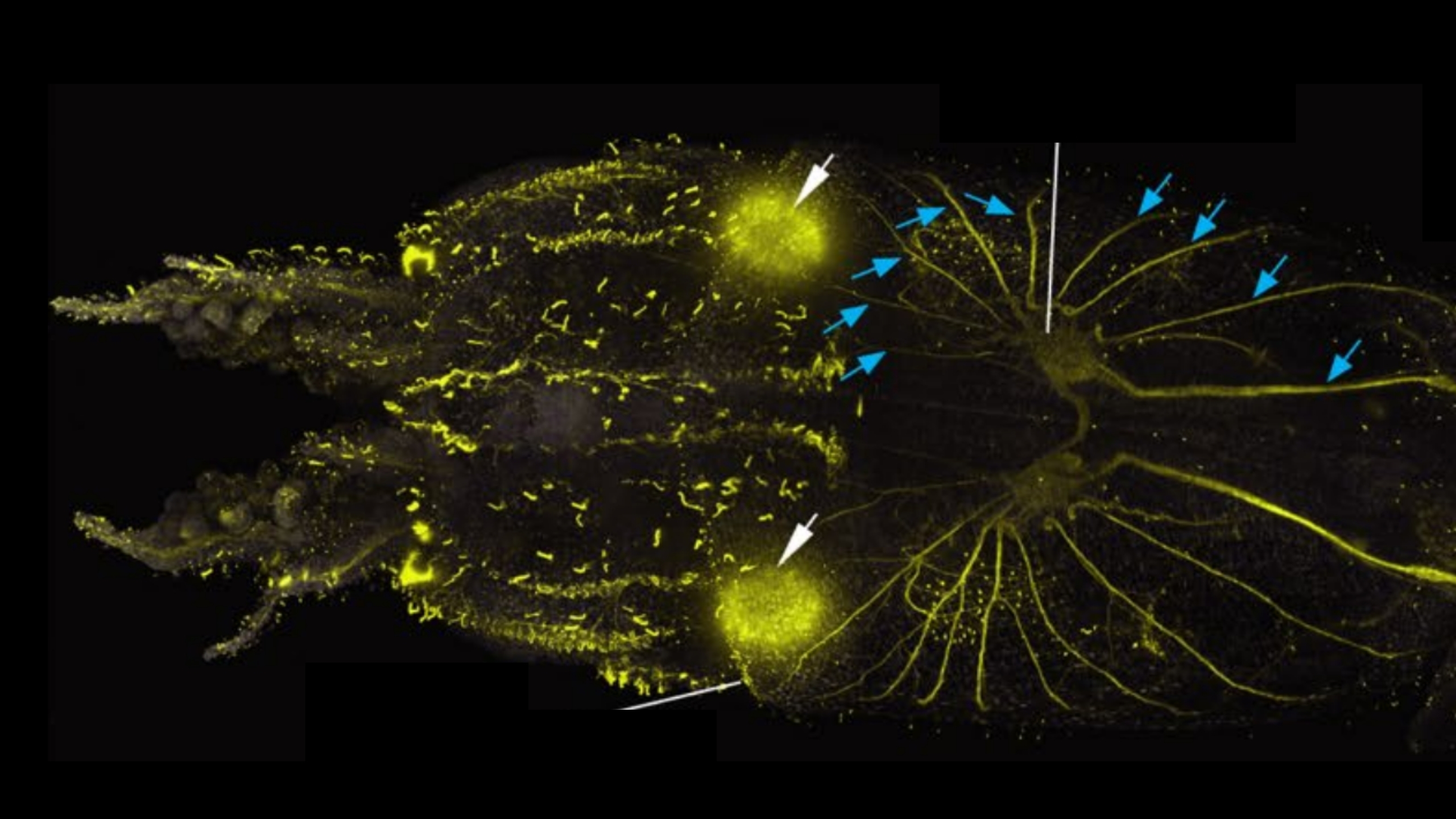
Here is what the page “Squid Hair Cells Discovery: Cephalopods Share Sensory Machinery With Human Ears” contains. Scientists have discovered that squid are covered in hair-like cells remarkably similar to the sensory hair cells found in human ears, according to a study published in Current Biology. The finding, led by researchers including Wang and colleagues, used light-sheet microscopy to image hatchling squid and reveal these specialized cells across their bodies. Hair cells in humans are crucial for hearing and balance, converting mechanical stimuli into electrical signals.
In squid, these analogous cells may play a key role in sensing water movements, aiding in navigation, predator avoidance, and prey detection. The discovery suggests an ancient evolutionary origin for mechanosensory cells, predating the divergence of vertebrates and invertebrates. By studying these cells in squid, researchers hope to gain insights into the fundamental principles of sensory biology and potentially inform treatments for hearing loss in humans. For the complete material, the listing points back to the source inside the network.