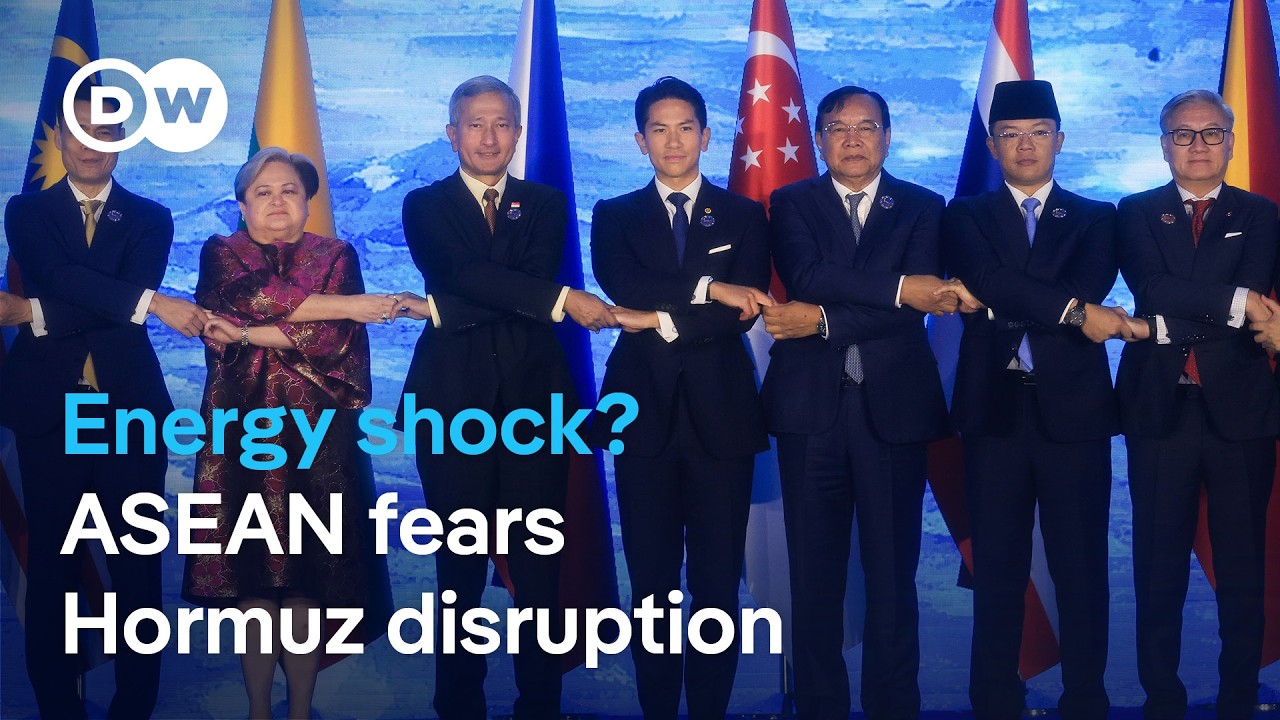
Southeast Asian nations are expressing growing concern over the stability of global energy supplies amid escalating tensions between the United States and Iran. The Strait of Hormuz, a vital maritime chokepoint through which roughly one-fifth of the world’s oil passes, has become a focal point of conflict. ASEAN foreign ministers, gathered in Manila, have called for de-escalation and emphasized the need to keep the strait open for international trade. Their statement highlights the region’s significant dependence on energy imports from the Middle East and warns of potential economic fallout should shipping routes be disrupted.
Experts such as Ben Bland from Chatham House point out that countries like Indonesia, Malaysia, and the Philippines face heightened risks of fuel price surges and supply instability. The ongoing standoff threatens not only regional energy security but also ASEAN’s broader goal of maintaining neutral and stable relations in international affairs. As diplomatic efforts remain stalled, the situation in the Strait continues to draw global attention, with implications extending far beyond the immediate area.