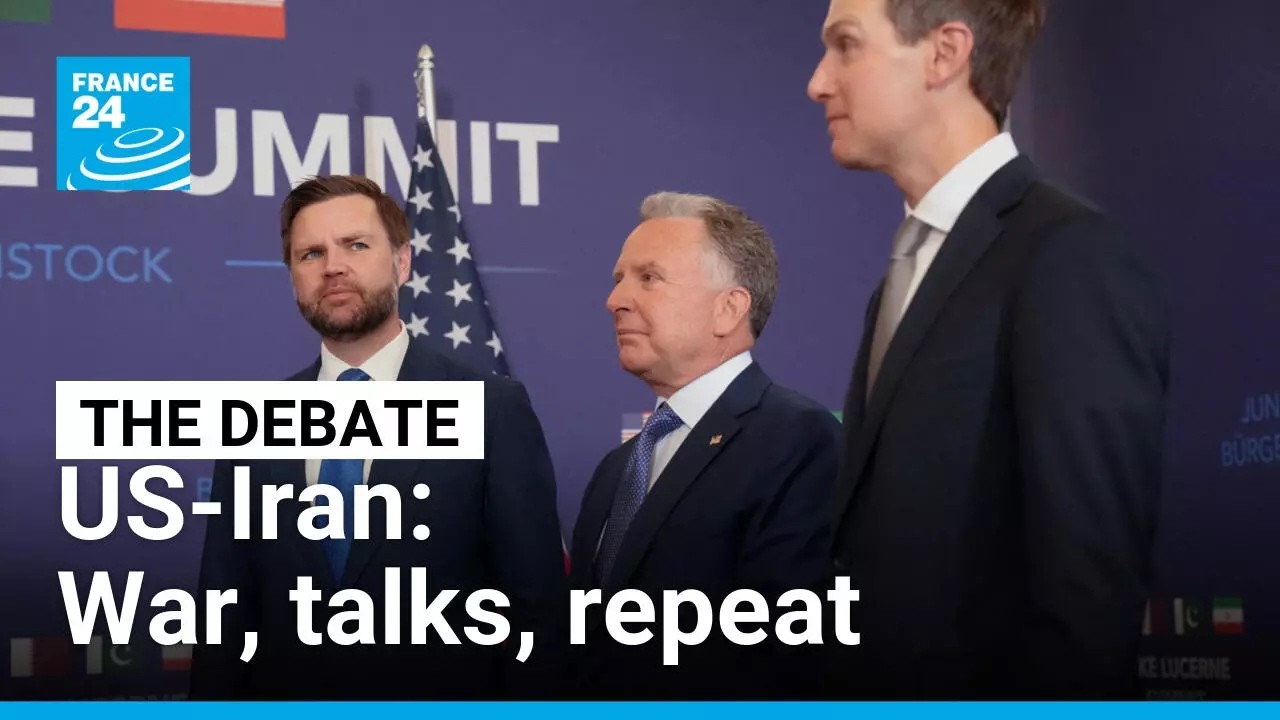
The Strait of Hormuz has become a focal point in the escalating tensions between the United States and Iran. Following a recent military clash that led to the death of Iran’s Supreme Leader, Tehran has shifted strategy, leveraging its control over this vital waterway as a tool of diplomatic pressure. Iran is now threatening to disrupt shipping through the strait, aiming to force concessions from Washington. The U.S. response, including President Donald Trump’s proposal for a 20-percent toll on commercial vessels passing through, has been framed by Iran as an act of aggression, further fueling regional instability.
Despite significant losses, Iranian leadership appears confident that U.S. threats of invasion lack real intent. This perception allows Iran to escalate rhetoric while maintaining a stance of strategic restraint. The fragile balance between confrontation and negotiation continues, with both sides maneuvering for advantage in one of the world’s most crucial maritime chokepoints. The situation remains fluid, with global energy markets closely watching developments in the region.