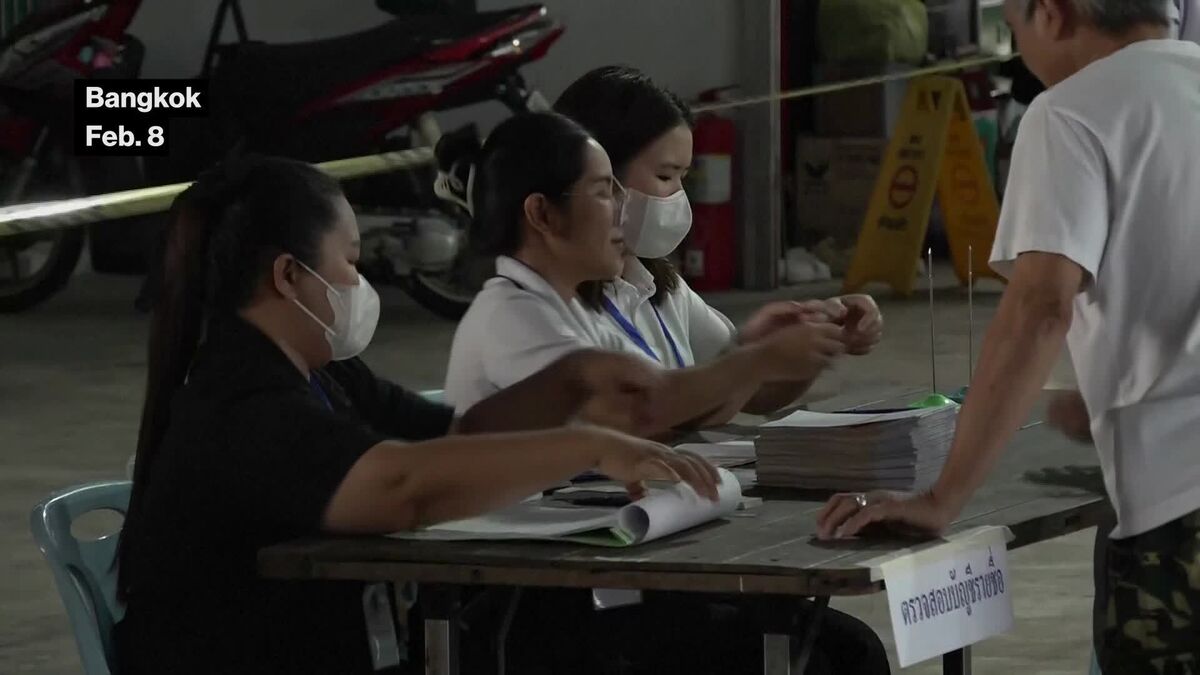
Thailand conducted a significant general election on Sunday, drawing attention from across Southeast Asia as citizens chose between major political forces. The Bhumjaithai Party emphasized stability and infrastructure growth, appealing to moderate voters. The Move Forward Party gained traction among younger, urban populations by advocating for sweeping institutional reforms. Meanwhile, the Pheu Thai Party centered its platform on economic support for lower-income groups. With no single party securing a majority, coalition negotiations are expected to play a decisive role in shaping the new government.
The outcome of the vote will influence Thailand’s economic trajectory, foreign investment climate, and policy direction amid global uncertainties. Voter turnout reflected deep engagement with national issues, including post-pandemic recovery and social equity. Regional disparities and the country’s complex electoral rules add layers of complexity to forming a stable administration. As the results are analyzed, the focus turns to how the new leadership will address economic challenges and foster long-term governance reform.