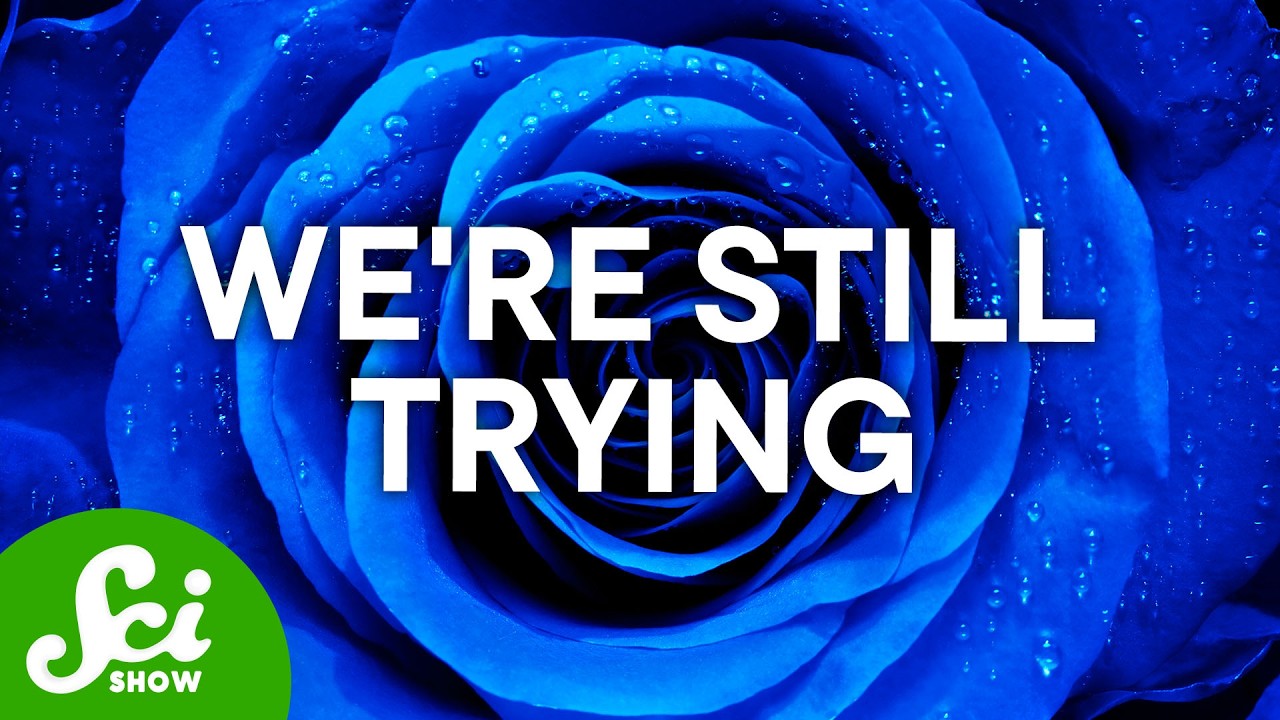
For more than forty years, researchers have strived to genetically engineer a genuine blue rose, a challenge that has intrigued both scientists and gardening enthusiasts. Despite extensive efforts and resources dedicated to this goal, the results have largely fallen short of expectations. This video examines the scientific obstacles encountered and the prolonged history of attempts to develop genetically modified blue roses, explaining why achieving this color through genetic means has been so difficult.
The content delves into the genetic and biochemical complexities that hinder the production of a naturally blue rose. It highlights the intricate biochemical pathways responsible for pigment synthesis in flowers and the specific genetic alterations needed to create a blue coloration. Although the journey has been lengthy and the outcomes disappointing, the story behind blue rose research offers insight into the complexities of plant genetics and the persistent pursuit of innovation in horticulture despite ongoing challenges.