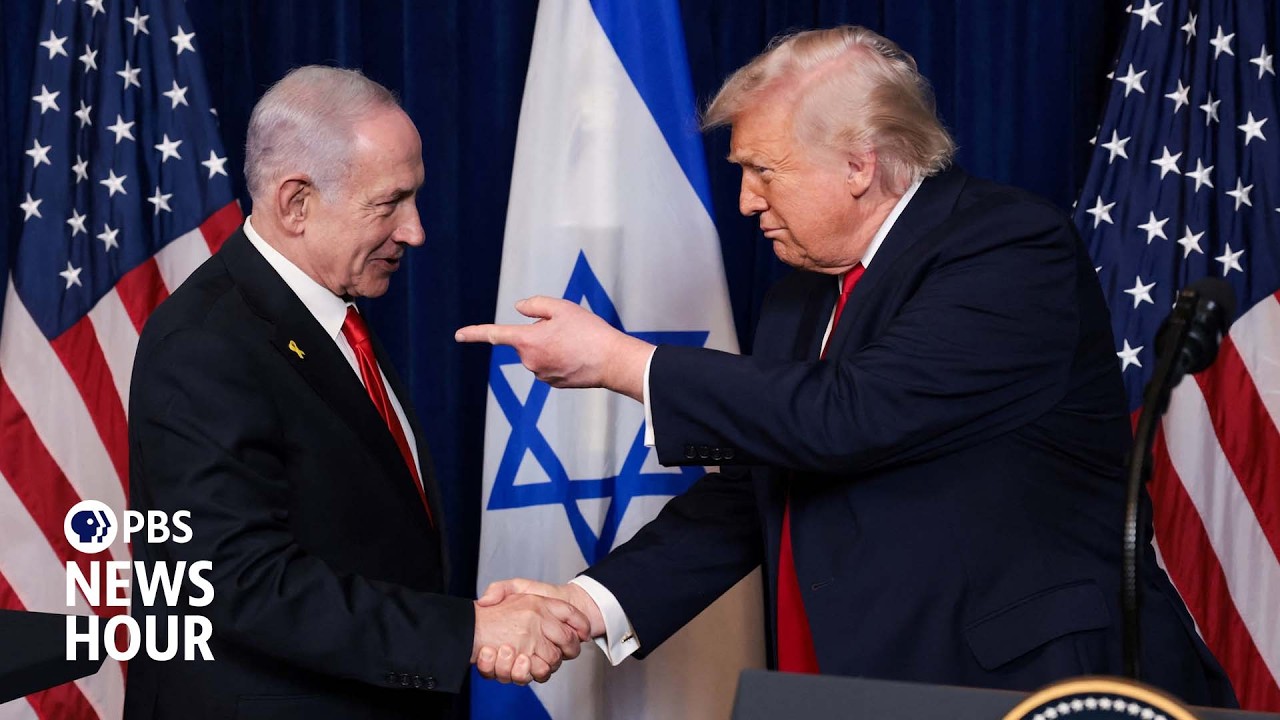
The Iran nuclear agreement has triggered a notable shift in U.S.-Israel relations, with tensions emerging between President Trump and Israeli Prime Minister Netanyahu. Experts like Aaron David Miller highlight concerns that the deal undermines Israel’s strategic position in the region, framing it as a setback for its national security interests. The terms of the agreement have prompted debate over America’s foreign policy direction, particularly regarding Middle Eastern alliances and non-proliferation efforts. As diplomatic fallout unfolds, questions arise about the durability of the U.S.-Israel partnership under current leadership.
Miller's analysis underscores the complexity of regional dynamics, where shifting alliances and security priorities intersect. The agreement's impact on Iran’s nuclear capabilities and its broader implications for stability in the Middle East are central to ongoing discussions. With both nations reassessing their long-term strategies, the evolving relationship reflects deeper changes in how major powers engage with regional threats. The conversation continues to focus on whether this deal signals a departure from traditional U.S. support for Israel or represents a recalibration within existing frameworks.