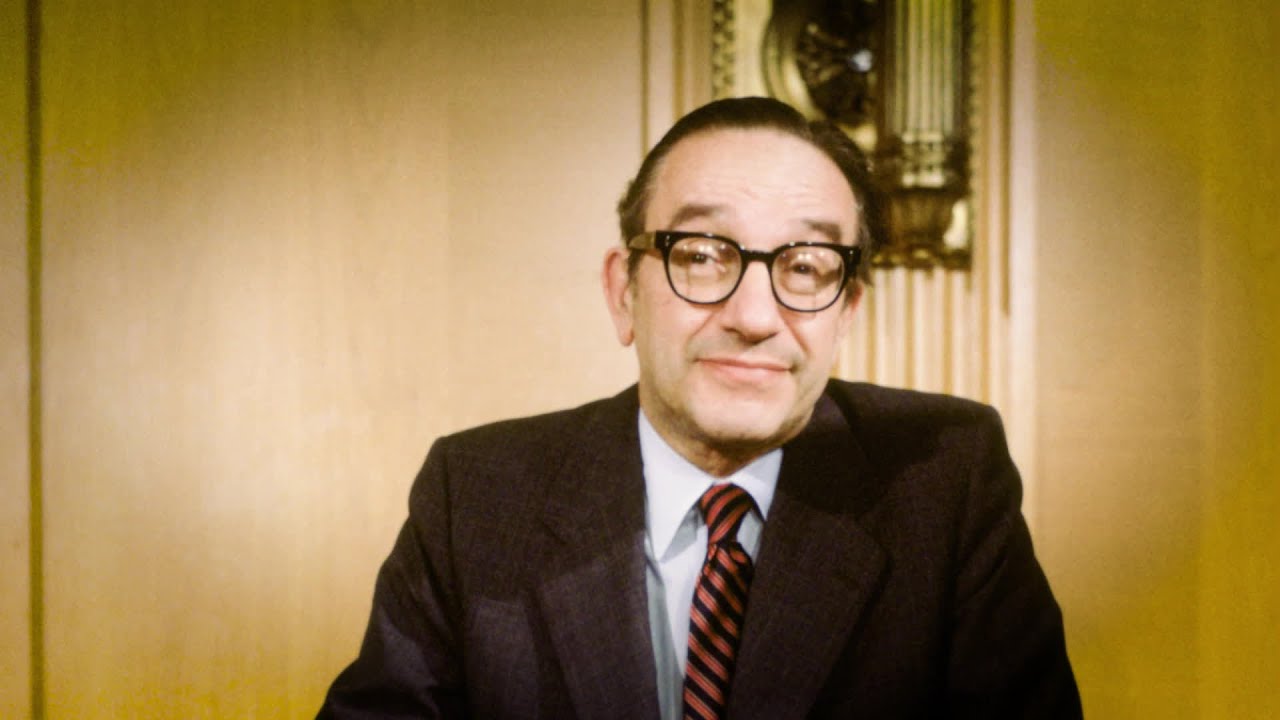
Alan Greenspan, who served as Federal Reserve Chairman from 1987 to 2006, has died at the age of 100 at his home. His tenure spanned nearly two decades of significant economic growth and transformation in the United States. Known for his influence on monetary policy, Greenspan was widely praised during his time in office for maintaining low inflation and supporting sustained expansion. His decisions shaped financial markets and influenced global economic trends throughout the late 20th and early 21st centuries.
After stepping down from the Fed, his legacy became increasingly scrutinized, particularly following the 2008 financial crisis. Critics questioned some of his policy choices, especially regarding deregulation and interest rate management, which many believe contributed to the instability that led to the crash. While he was once seen as a master of economic steering, the aftermath of the crisis prompted a reevaluation of his impact. This retrospective examines both the achievements and controversies surrounding his leadership, offering a balanced view of one of the most prominent figures in modern central banking history.