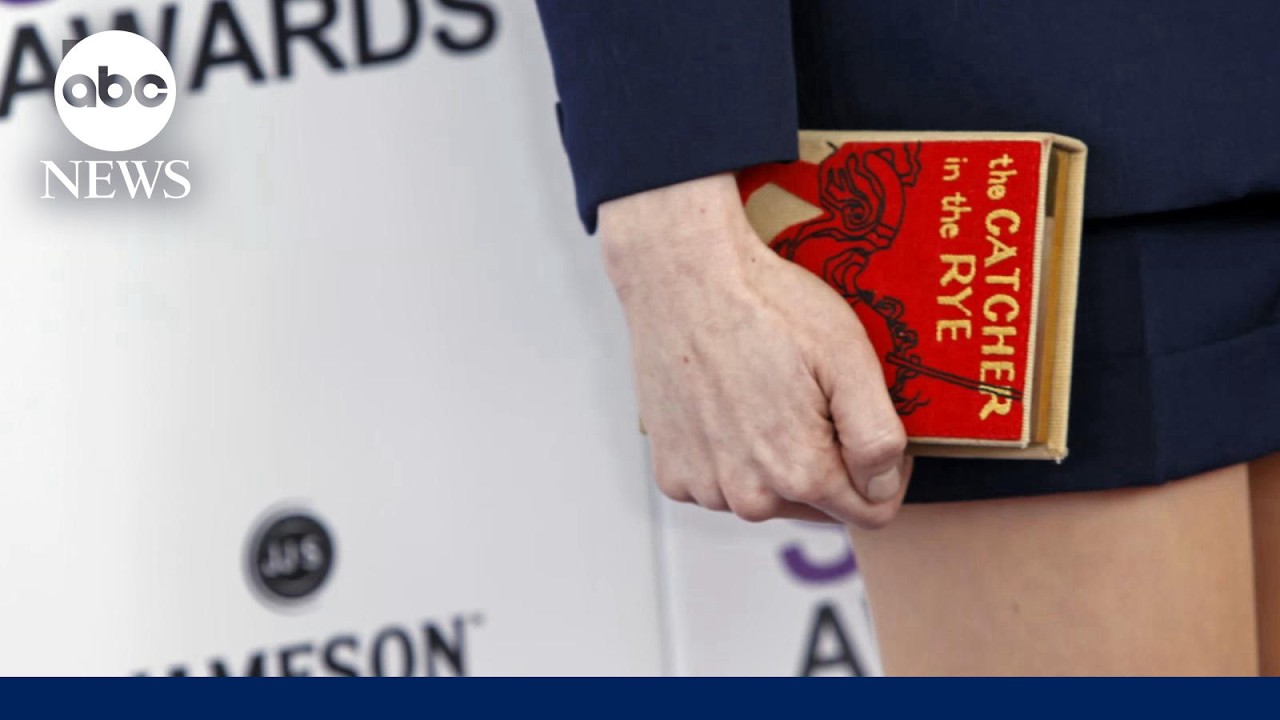
On the 75th anniversary of J.D. Salinger’s The Catcher in the Rye, discussions have intensified around its lasting literary impact and troubling associations with real-world violence. Scholars and journalists, including Lily Meyer and Sarah Gleim for The Atlantic, examine how the novel’s protagonist, Holden Caulfield, has resonated deeply with individuals experiencing isolation and disillusionment. The story’s themes of alienation, rebellion, and emotional vulnerability have drawn both admiration and concern, particularly due to documented cases where readers linked to the book were involved in criminal acts. This connection has prompted debate about the power of literature to influence behavior, especially among vulnerable audiences.
Despite these concerns, the novel remains a staple in high school classrooms across the United States. Its continued presence in educational settings reflects its significance in shaping modern American fiction and youth identity. The conversation surrounding the book underscores the dual nature of influential art—its ability to inspire empathy and self-reflection, while also raising questions about interpretation and responsibility. As cultural discourse evolves, so too does the understanding of how stories like The Catcher in the Rye can leave lasting imprints on both individual minds and broader society.