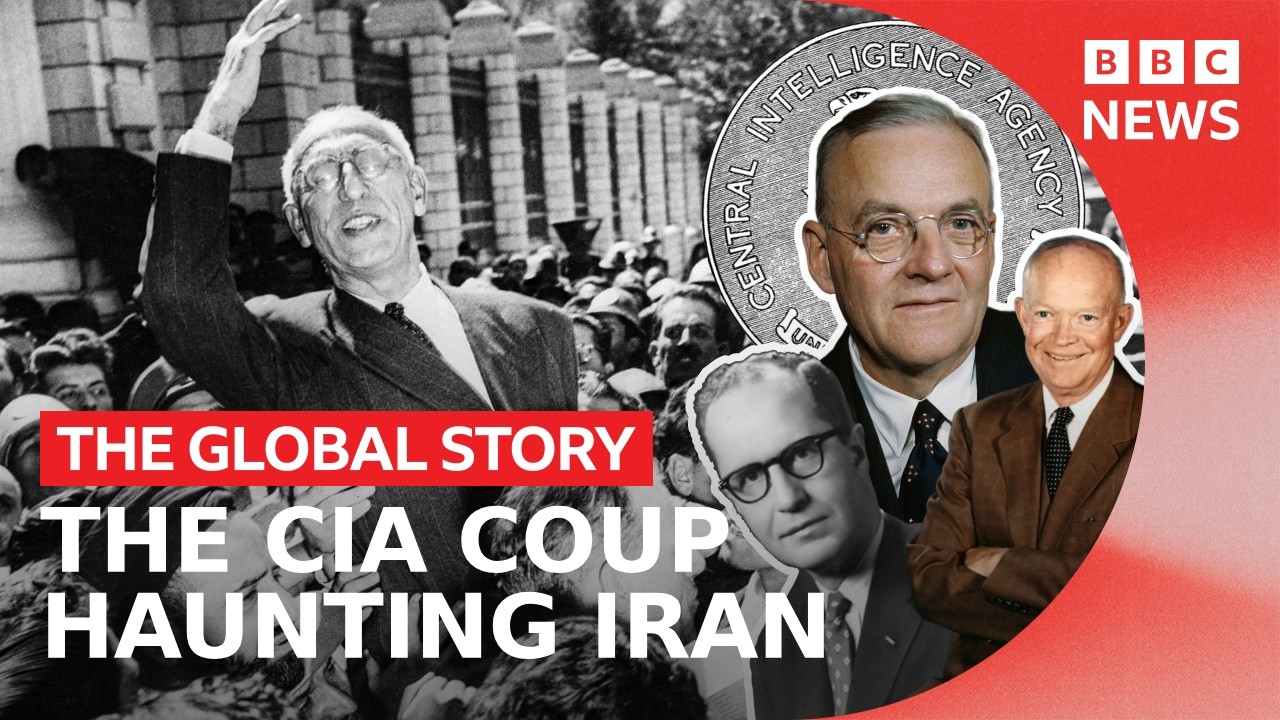
The 1953 coup that removed Iran’s elected Prime Minister Mohammad Mossadegh remains a defining moment in U.S.-Iran relations. Orchestrated by the CIA and British intelligence, the operation overthrew a democratically chosen leader and installed a regime aligned with Western interests. This intervention has left a deep-seated distrust in Iran toward the United States, shaping perceptions of American motives in regional politics. The legacy persists as a symbol of foreign interference, influencing how Iranian leaders view U.S. diplomacy and military actions.
In recent years, renewed discussions about regime change have brought this history back into public discourse. Statements from political figures like President Donald Trump have echoed past interventions, sparking debate on the ethics and consequences of such actions. Despite shifts in leadership, Iran’s political system continues to be dominated by institutions established after the coup. These enduring structures contribute to ongoing tensions, making historical memory a key factor in the complex relationship between Washington and Tehran.