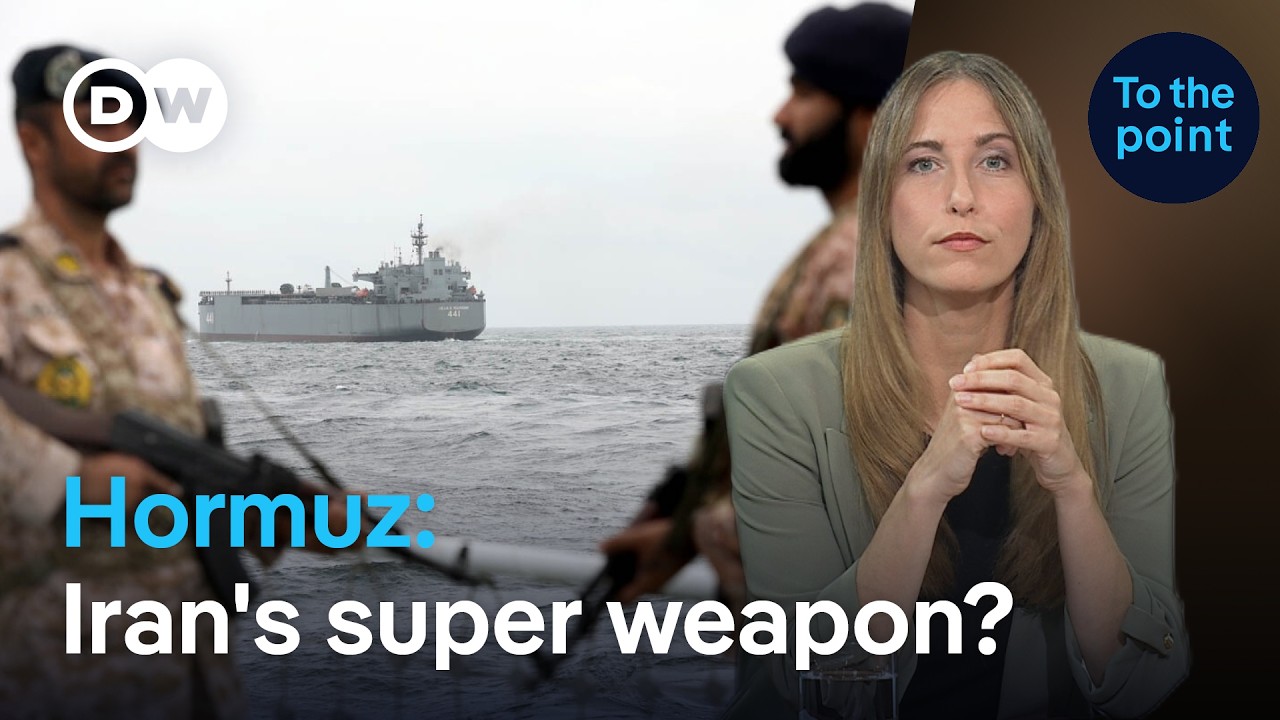
The Strait of Hormuz has become a critical flashpoint in the escalating tensions between the United States and Iran. As diplomatic efforts for a ceasefire and a revived nuclear deal falter, military actions have intensified in the region. The U.S. has carried out targeted strikes inside Iran, prompting retaliatory attacks by Tehran on facilities in Gulf states aligned with Washington. These exchanges underscore the growing instability in the area and threaten the safe passage of global maritime trade through one of the world’s most crucial waterways. The repeated cycles of violence have diminished prospects for dialogue and heightened fears of broader regional conflict.
The strategic significance of the Strait of Hormuz continues to drive both direct and indirect confrontations between the two nations. With international shipping routes at risk and regional alliances under pressure, the situation remains volatile. Any disruption to this narrow passage could have far-reaching consequences for global energy markets and supply chains. The ongoing military posturing and retaliatory operations highlight the fragile state of relations and the urgent need for de-escalation to prevent further escalation.