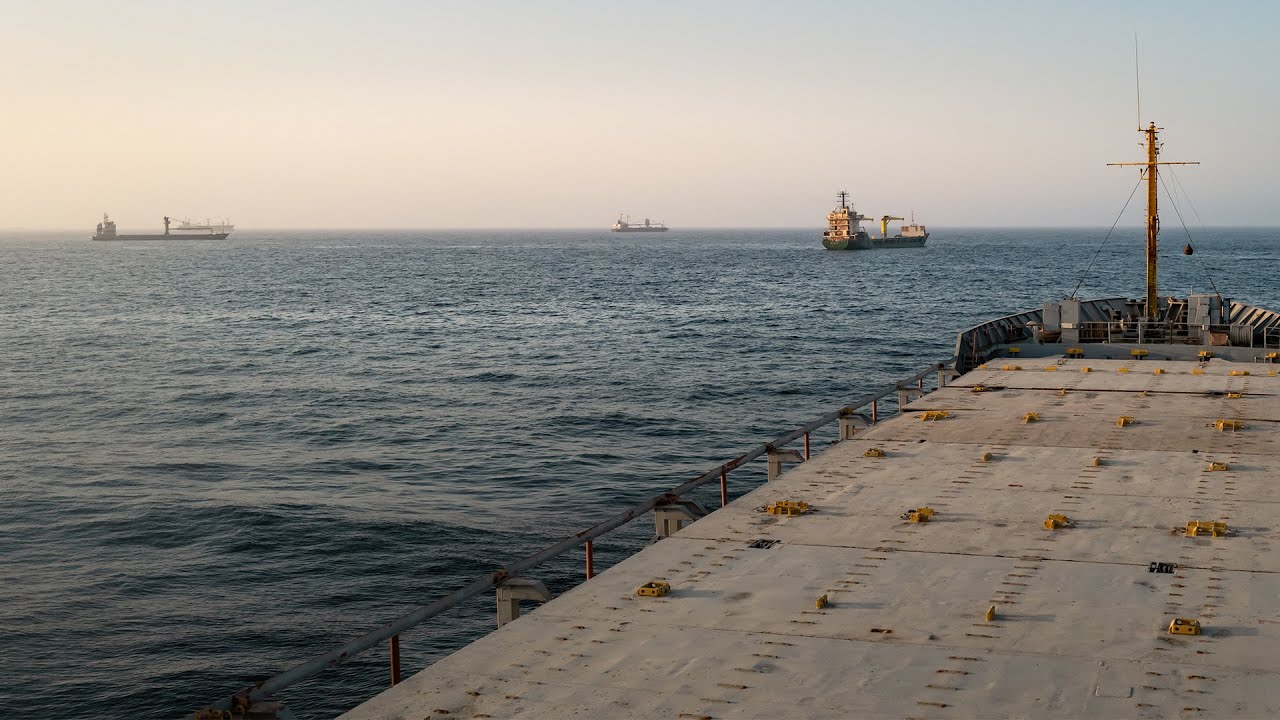
The Strait of Hormuz remains officially open for maritime traffic, but its operational capacity has sharply declined due to ongoing security concerns. Despite some vessels still passing through both Iranian and Omani routes, daily ship movements have dropped from over 140 in February to only 30–40, reflecting widespread hesitation among global shipping companies. This reduction is driven by the perceived risk of attacks and regional instability, creating a paradox where the strait is technically accessible yet functionally restricted for many carriers. The disruption impacts supply chains and energy markets, as the strait handles a significant portion of global oil transit.
Experts like Bloomberg’s Stephen Stapczynski highlight the broader implications, noting that sustained incidents are forcing shipping firms to reroute or delay voyages. These logistical challenges ripple through international trade, affecting commodity pricing and maritime security planning. While the route remains critical for global energy flows, its current state underscores vulnerabilities in key maritime corridors. The situation continues to demand close monitoring from governments and industry stakeholders alike.