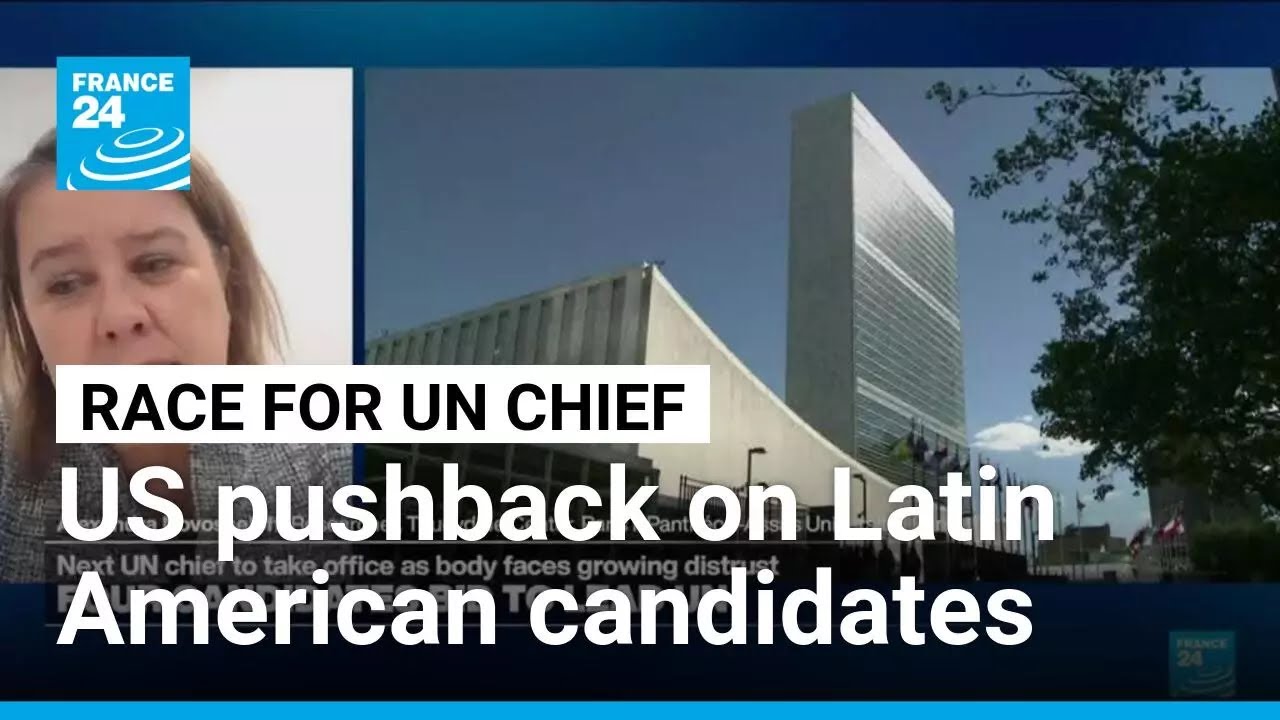
The UN Secretary-General occupies a position shaped by global complexity and conflicting national priorities. Dr. Alexandra Novosseloff, an associate research fellow at the Thucydides Centre in Paris, examines how the role functions as a reflection of current international tensions. She emphasizes that the Secretary-General must navigate a system where 193 member states pursue divergent interests, making consensus difficult. The office is not merely symbolic but deeply embedded in the realities of power dynamics, diplomacy, and geopolitical rivalry.
Rather than focusing on individual candidates, Dr. Novosseloff underscores structural limitations inherent in the role. The Secretary-General lacks enforcement authority and relies on voluntary cooperation among nations. This dependence on state consent creates significant constraints when addressing crises or advancing reforms. Her analysis reveals that the position demands constant balancing acts across regions, ideologies, and strategic interests, highlighting the immense difficulty of leading an organization without direct control over its members.