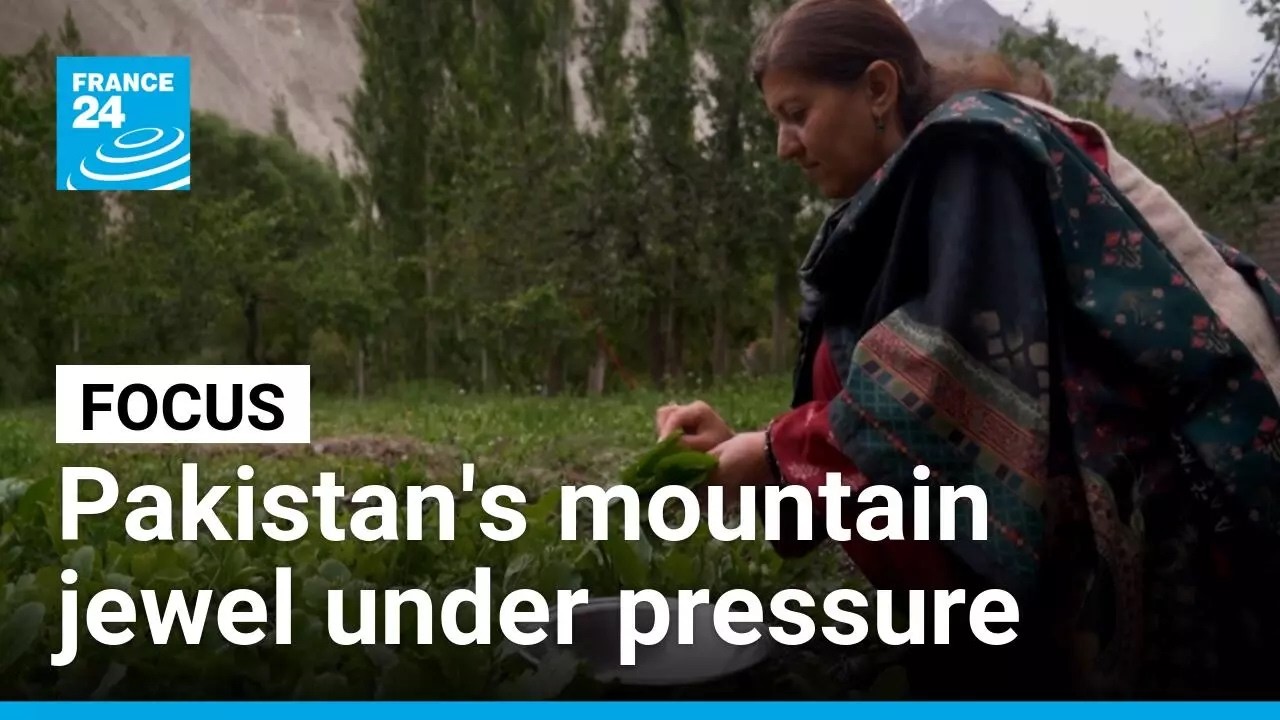
The Hunza Valley in Gilgit-Baltistan has seen significant development over recent decades, shifting from an isolated mountain community to a regional example of sustainable growth. Key advancements in education and healthcare have been supported by initiatives tied to the Aga Khan and his foundations, contributing to improved living standards. The Ismaili community, which constitutes about 90% of the valley’s population, plays a central role in these efforts. Infrastructure improvements and increased access to services have enhanced quality of life, while also drawing growing numbers of visitors to the area.
Despite these gains, the region faces mounting challenges. The surge in tourism strains local resources and raises concerns about environmental sustainability. Climate change is increasingly evident through glacial retreat and unpredictable weather patterns, threatening both agriculture and water supplies. Balancing economic progress with ecological preservation remains a critical issue. As development continues, maintaining cultural identity and ensuring equitable benefits for all residents are essential considerations for the future of Hunza Valley.