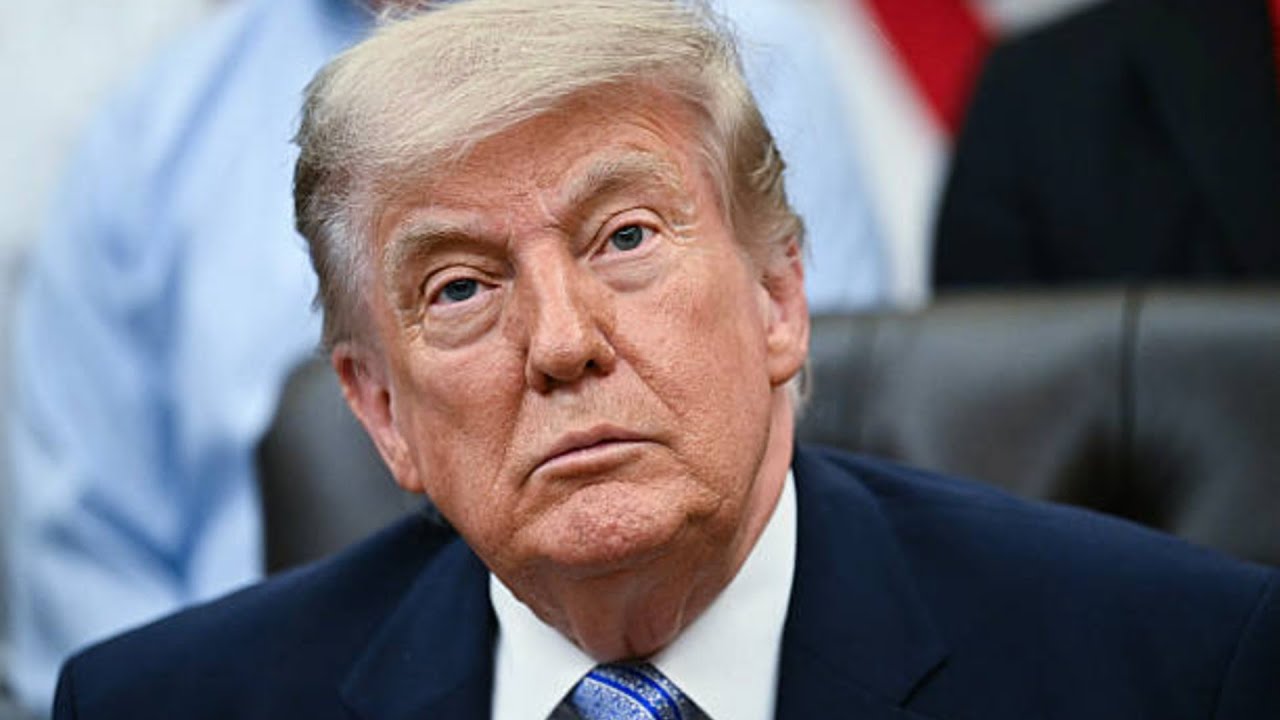
President Trump has declared that the United States opposes any tolls on vessels passing through the Strait of Hormuz, affirming the waterway must remain open and free for international navigation. This stance follows reports that Iran is negotiating with Oman to establish a permanent fee system for ships using the strategic passage. The President emphasized the global significance of uninterrupted access to this vital maritime route during a statement from the White House. Any new toll arrangement by regional actors could alter shipping patterns and affect energy prices worldwide. The U.S. government continues to monitor these developments closely, prioritizing stable and unimpeded trade routes.
The Strait of Hormuz serves as a crucial artery for global oil transport, making its accessibility a matter of international economic concern. The proposed toll system raises questions about sovereignty, regional cooperation, and the future of maritime law in high-traffic zones. As diplomatic talks progress, the U.S. remains committed to preventing unilateral actions that could disrupt established shipping norms. Ensuring freedom of navigation aligns with broader U.S. foreign policy goals in the Middle East. The situation underscores the importance of multilateral engagement in maintaining secure and efficient global supply chains.