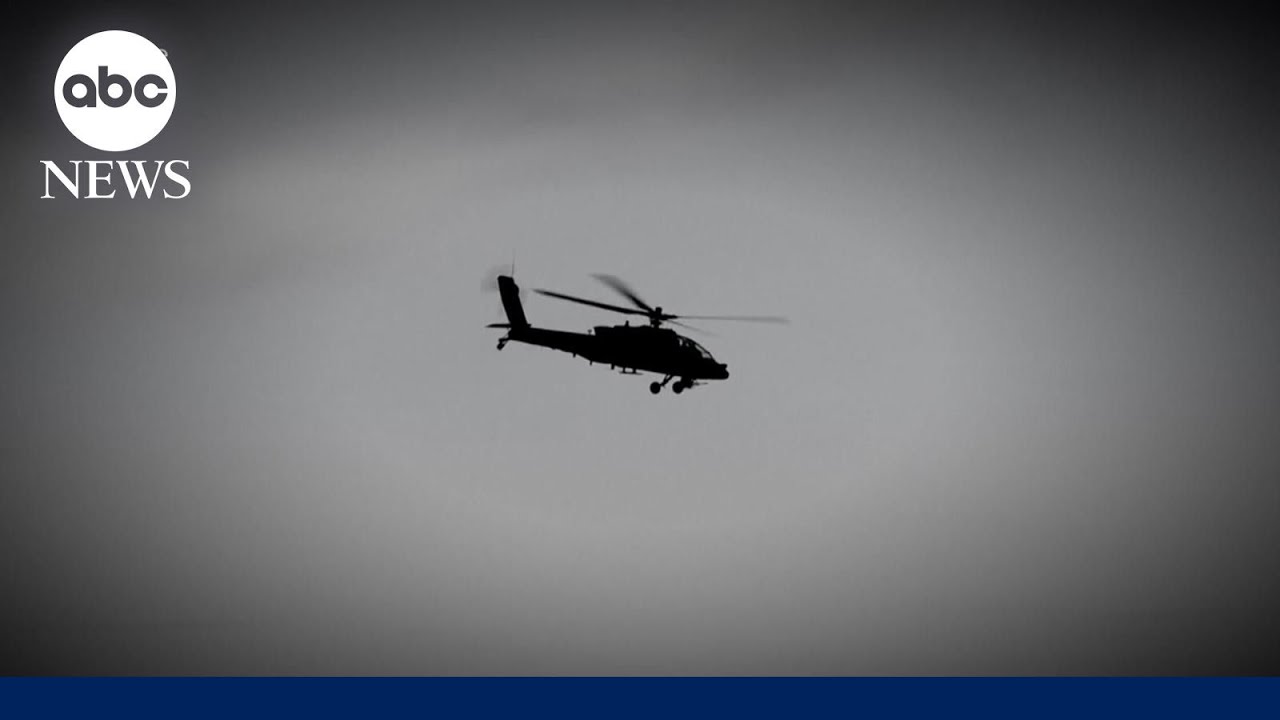
The U.S. military carried out targeted strikes against Iranian positions following the downing of an Apache helicopter near the Strait of Hormuz by an Iranian drone. In a significant operational milestone, two pilots were recovered using an unmanned drone boat during the mission—the first known instance of such a vessel being deployed for a combat rescue. The autonomous craft played a critical role in retrieving personnel from a high-risk maritime zone, demonstrating advancements in unmanned systems for tactical recovery operations. Officials emphasized the success of the mission as a testament to evolving technology in naval and aerial defense.
This event highlights the increasing integration of autonomous vehicles into military operations, particularly in dangerous or complex environments. The use of the drone boat underscores a shift toward minimizing human risk in high-stakes scenarios while maintaining operational effectiveness. The incident has drawn attention to the potential of unmanned platforms not only for surveillance and strike missions but also for life-saving interventions. As global tensions persist in key strategic regions, such innovations may become standard components of future military responses.