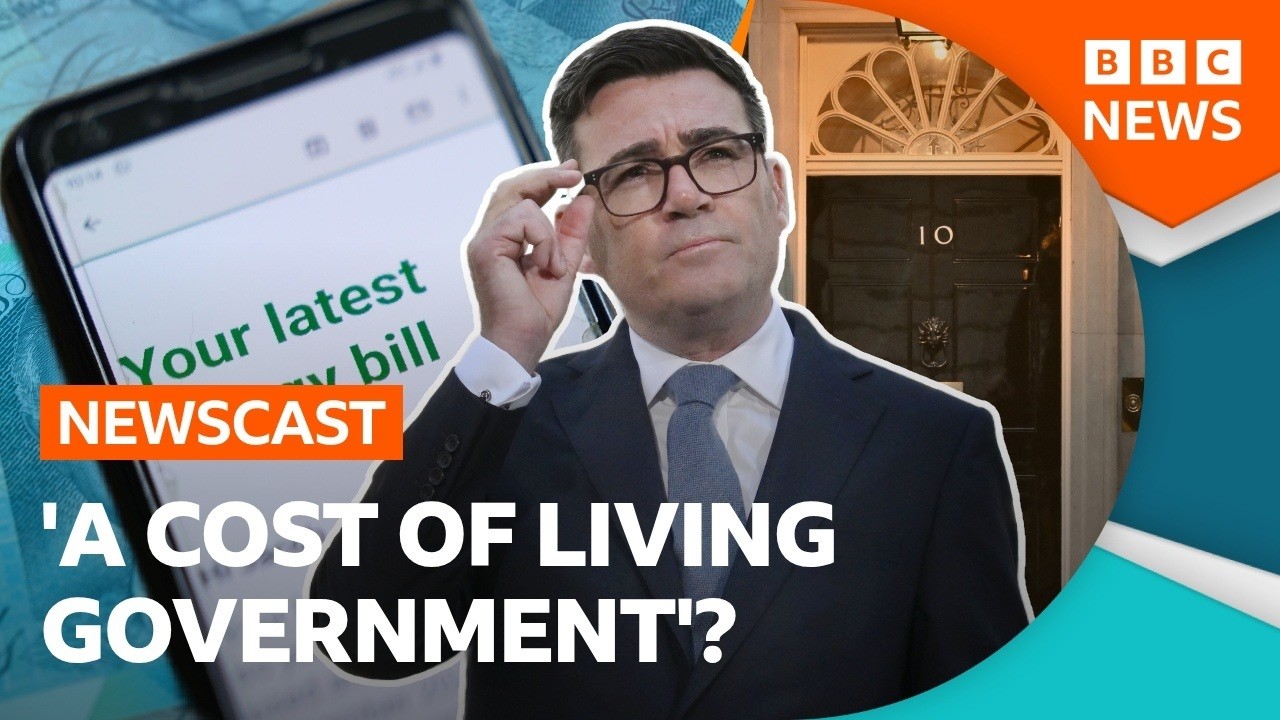
On his first full day as Prime Minister, Andy Burnham introduced a series of measures aimed at reducing household energy costs, including eliminating VAT on electricity bills. This change is expected to save the average family around £45 annually and forms part of his broader commitment to create a 'cost of living government.' The funding for this initiative comes from cancelling Keir Starmer's proposed digital ID scheme, which Burnham’s team describes as unaffordable and redundant. The announcement has triggered significant political debate, with former minister Darren Jones defending the digital ID project and raising concerns about its potential impact on public service modernization.
Burnham emphasizes that his administration prioritizes immediate relief for families facing financial hardship. While the VAT reduction is a central component of his early agenda, it is accompanied by other cost-of-living initiatives. As he begins his tenure, Burnham must navigate the tension between short-term fiscal savings and long-term governance reforms. The controversy surrounding the digital ID cancellation highlights the challenges of balancing popular policies with structural improvements in public services. The focus on energy affordability and digital infrastructure will likely shape the early phase of his leadership.