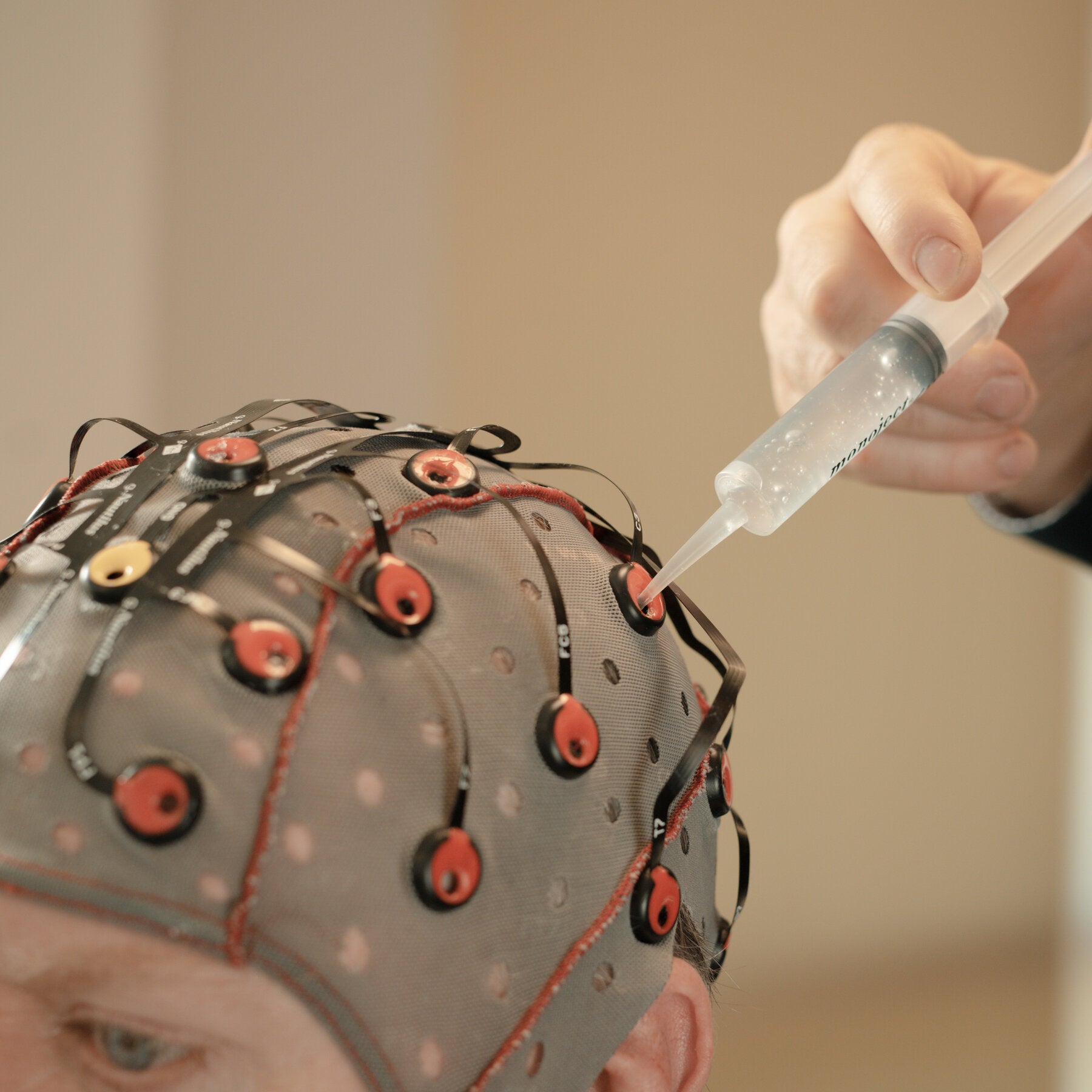
Content overview: “UN Report Warns Neurotechnology Could Access and Criminalize Thoughts”. A new report from the United Nations secretary-general raises urgent concerns about emerging neurotechnologies that could read and manipulate people's innermost thoughts. The report warns that brain-computer interfaces, neural imaging, and other advances could enable governments or corporations to access mental content without consent, potentially criminalizing thoughts or emotions. It highlights that existing human rights frameworks are ill-equipped to protect mental privacy, cognitive liberty, and personal identity in the face of such capabilities.
The UN urges the international community to develop ethical guidelines and legal safeguards before these technologies become widespread. As neurotech evolves rapidly, the report stresses that protecting the sanctity of the mind may become one of the defining human rights challenges of the coming decade. Nova Global News curates publicly available headlines and summaries with source attribution. The full version stays on the original page, which this listing opens directly.