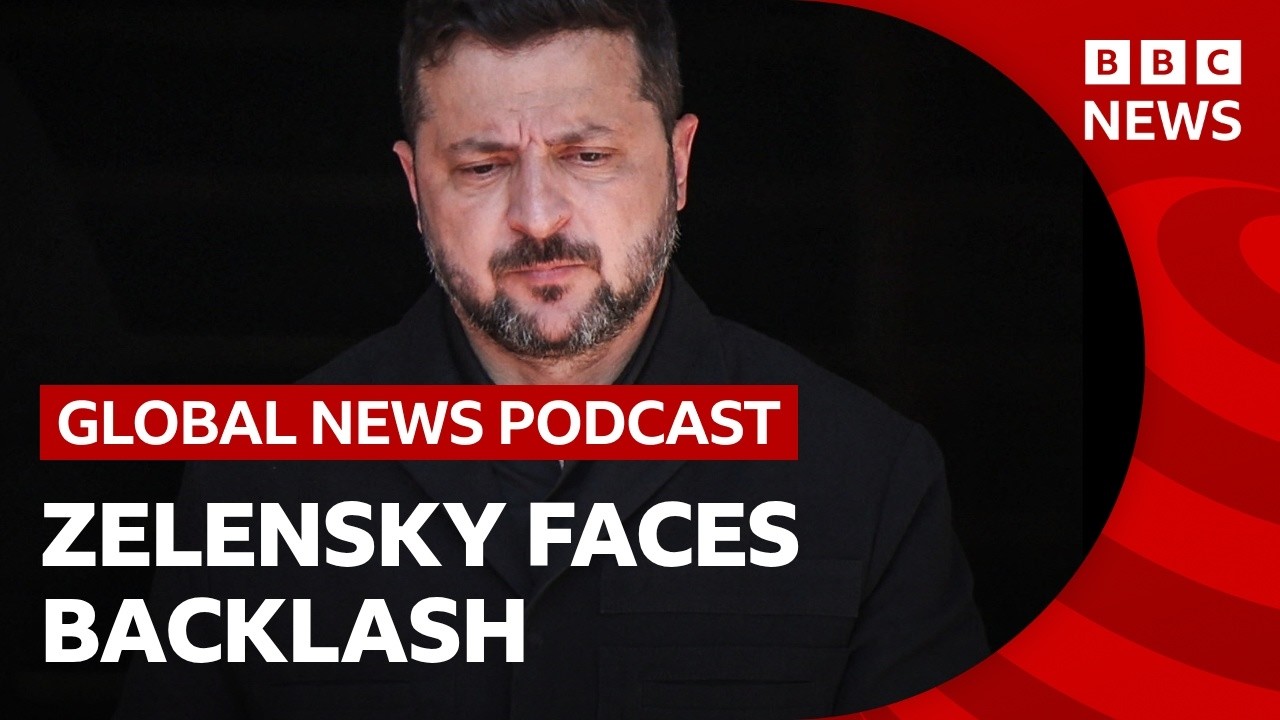
Protests have spread across Ukraine following the dismissal of Defense Minister Mykhaylo Fedorov, a figure widely admired for his role in advancing drone warfare capabilities. His removal has triggered public anger, particularly among citizens who see him as central to Ukraine’s military transformation during ongoing conflict. Demonstrations have erupted in major cities, reflecting deep concern over shifting defense strategy and leadership stability. The unrest coincides with violent incidents in Lviv, where tensions flared between civilians and military draft officers using forceful recruitment methods. These events have intensified scrutiny on President Volodymyr Zelensky’s administration, highlighting growing frustration over domestic policies amid wartime challenges.
The situation underscores the delicate balance between national security demands and public trust. As military operations continue, the government faces mounting pressure to address citizen concerns about conscription practices and transparency in defense decisions. The convergence of political change, military reform, and civil unrest reveals how closely policy choices are tied to public perception. With protests continuing and tensions rising, the government must navigate both external threats and internal dissatisfaction. This moment highlights the complex relationship between leadership, national resilience, and civilian engagement during prolonged conflict.