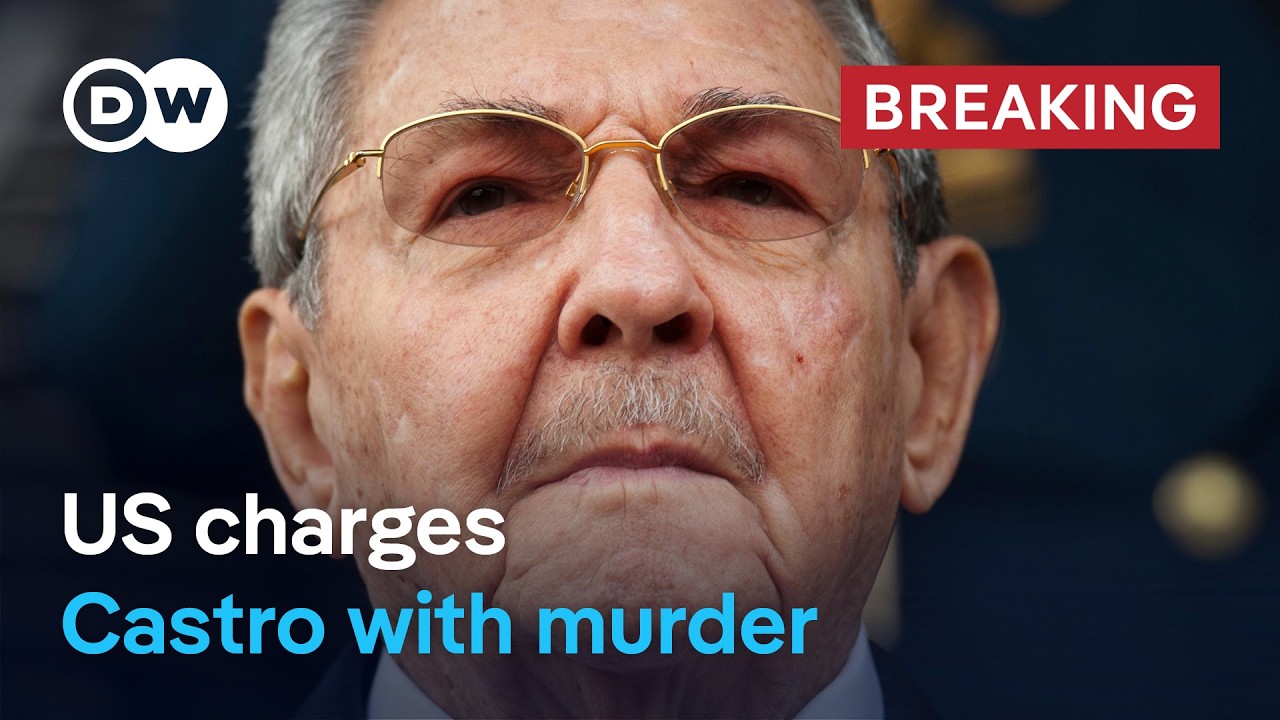
The announcement of murder charges against Raúl Castro in Miami centers on the 1996 incident involving the downing of civilian aircraft. This development marks a notable escalation in tensions between the United States and Cuba, reviving a protracted dispute involving the Cuban government and exile groups. The move signifies a strategic shift in U.S. foreign policy, signaling a firm stance on addressing historical grievances through legal avenues.
The charges come amid ongoing economic and political challenges in Havana. By pursuing this legal action, the U.S. administration demonstrates its intent to leverage judicial measures as a means to exert pressure on Cuban leadership. This case underscores the complex and strained relationship between the two nations, highlighting how historical events continue to influence contemporary diplomatic dynamics.