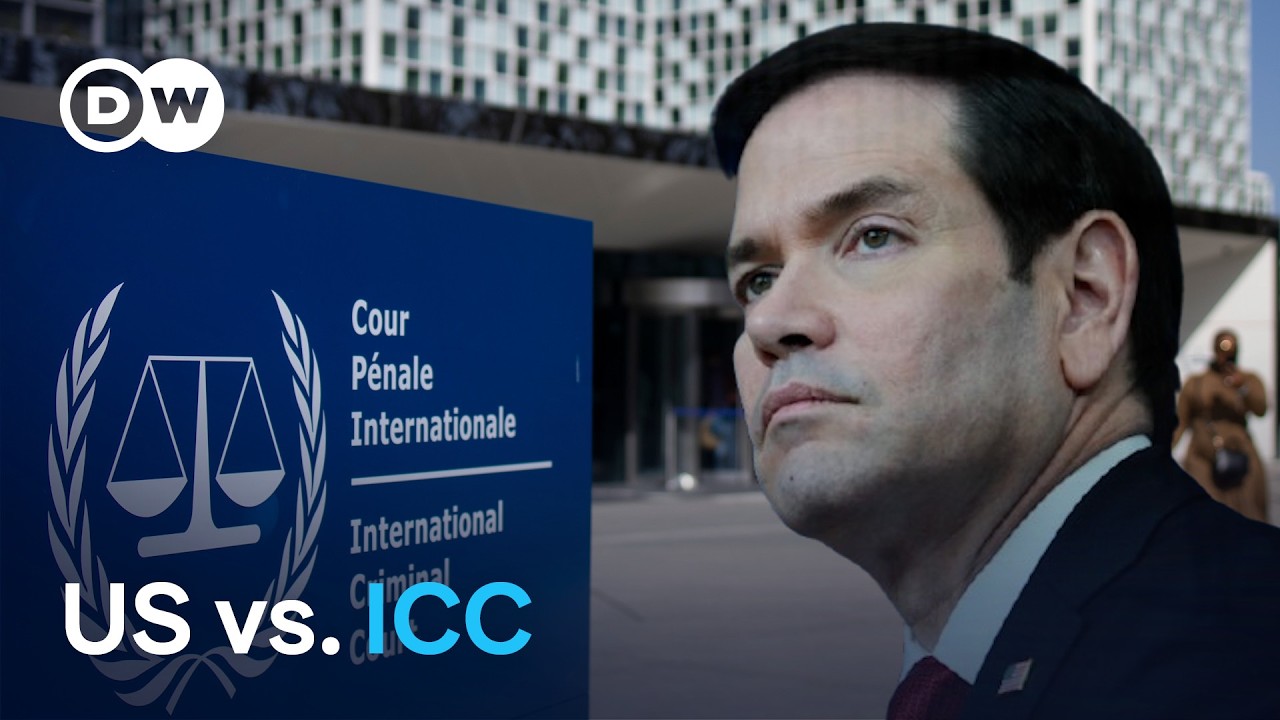
The United States has intensified its diplomatic efforts to undermine the International Criminal Court, signaling a significant shift in its approach to global justice mechanisms. High-level officials, including Secretary of State Marco Rubio, have expressed alarm over the court’s ability to investigate alleged war crimes and genocide, claiming such actions could compromise U.S. military operations and national sovereignty. These concerns echo past measures, such as imposing sanctions on ICC judges, aimed at restricting the court’s reach over American personnel. Despite these assertions, legal experts and human rights advocates maintain that the ICC operates within established international frameworks and does not target any single nation unfairly.
This renewed campaign reflects broader tensions between U.S. foreign policy and multilateral institutions designed to enforce accountability for serious crimes. Critics argue that the U.S. position risks weakening global norms and eroding trust in international legal cooperation. As the diplomatic pressure mounts, the future of the ICC and its role in addressing atrocities remains uncertain. The situation underscores a growing divergence between the United States and other nations committed to strengthening international justice through independent judicial bodies.