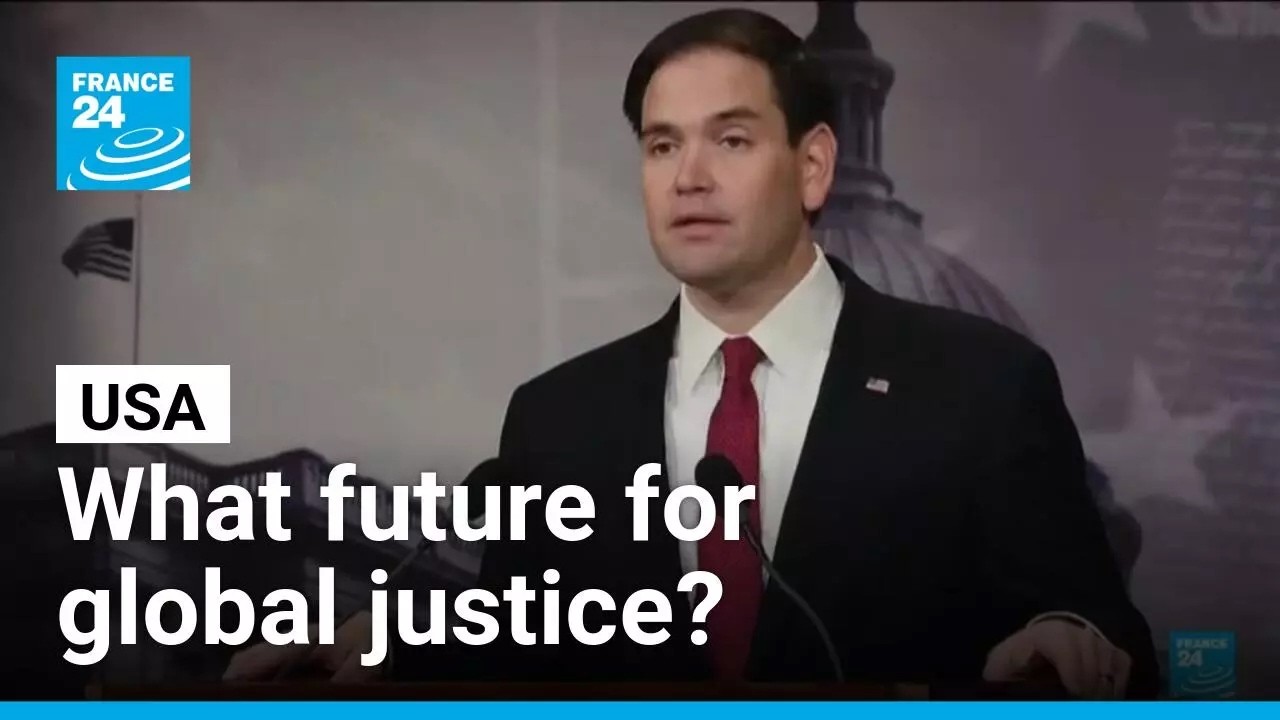
Tensions are escalating as the United States, under the Trump administration, seeks to isolate the International Criminal Court (ICC). Senator Marco Rubio has pledged to counter what he views as threats posed by the ICC to U.S. military and diplomatic activities. This move has generated intense debate about the boundaries of international justice and sovereignty. The stance taken by Washington has drawn considerable opposition from the United Nations and several European leaders who support the ICC’s authority and independence.
This diplomatic rift signals a significant shift in American foreign policy, challenging long-standing alliances and the established global legal order. The conflict raises questions about the future of international accountability mechanisms and the potential impact on cooperation between the U.S. and its traditional partners. The situation reflects deeper disagreements over how global justice should be enforced and the role the United States will play in shaping these frameworks moving forward.