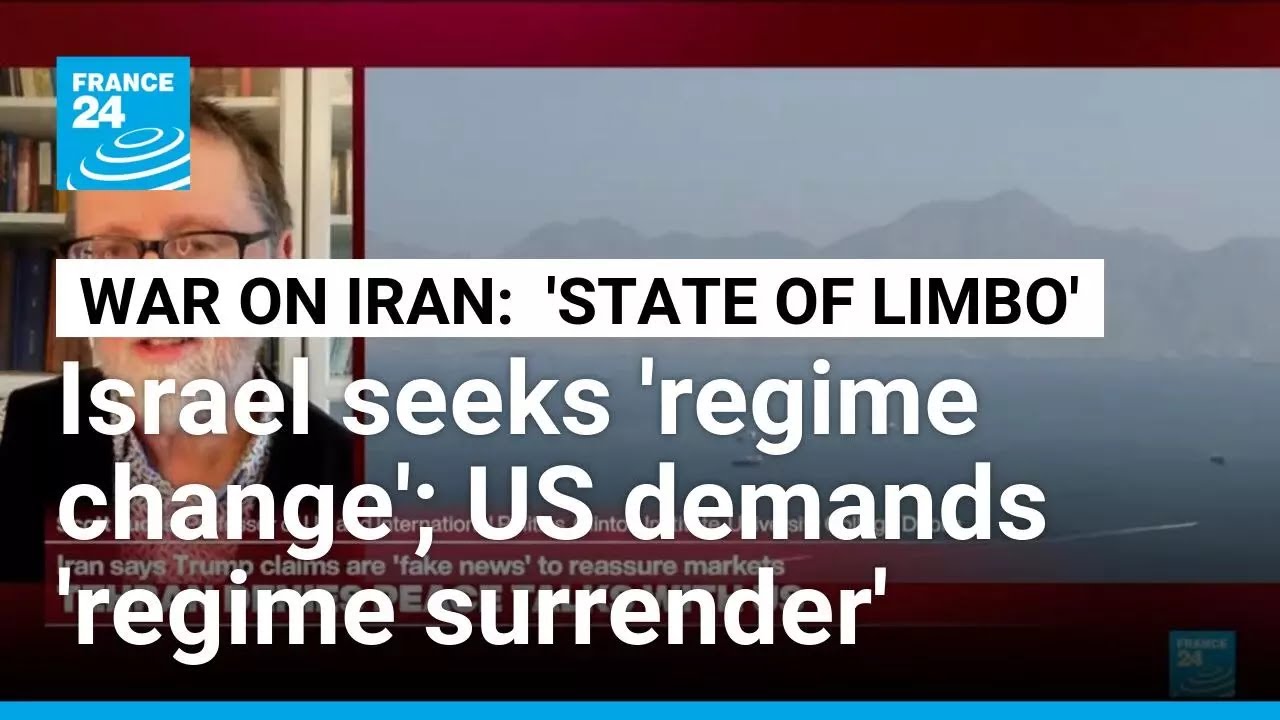
The statement underscores a growing perception that military actions targeting Iran are not part of a unified international effort, but rather the result of separate agendas pursued by Israel and the United States. According to Scott Lucas, the current approach lacks strategic coherence, relying instead on reactive measures driven by market dynamics, geopolitical posturing, and flawed assumptions about Iran’s internal stability. This improvised strategy fails to achieve meaningful diplomatic progress, as it is built on the mistaken belief that increased pressure will lead to immediate surrender.
Instead, the ongoing situation reflects a pattern of escalation rooted in misjudged calculations and fragmented coordination. Diplomatic channels remain stagnant, with no significant breakthroughs emerging from the current framework. The absence of a shared objective among key actors undermines any potential for sustained dialogue or de-escalation. As tensions persist, the reliance on force over negotiation risks deepening regional instability without addressing the underlying issues.