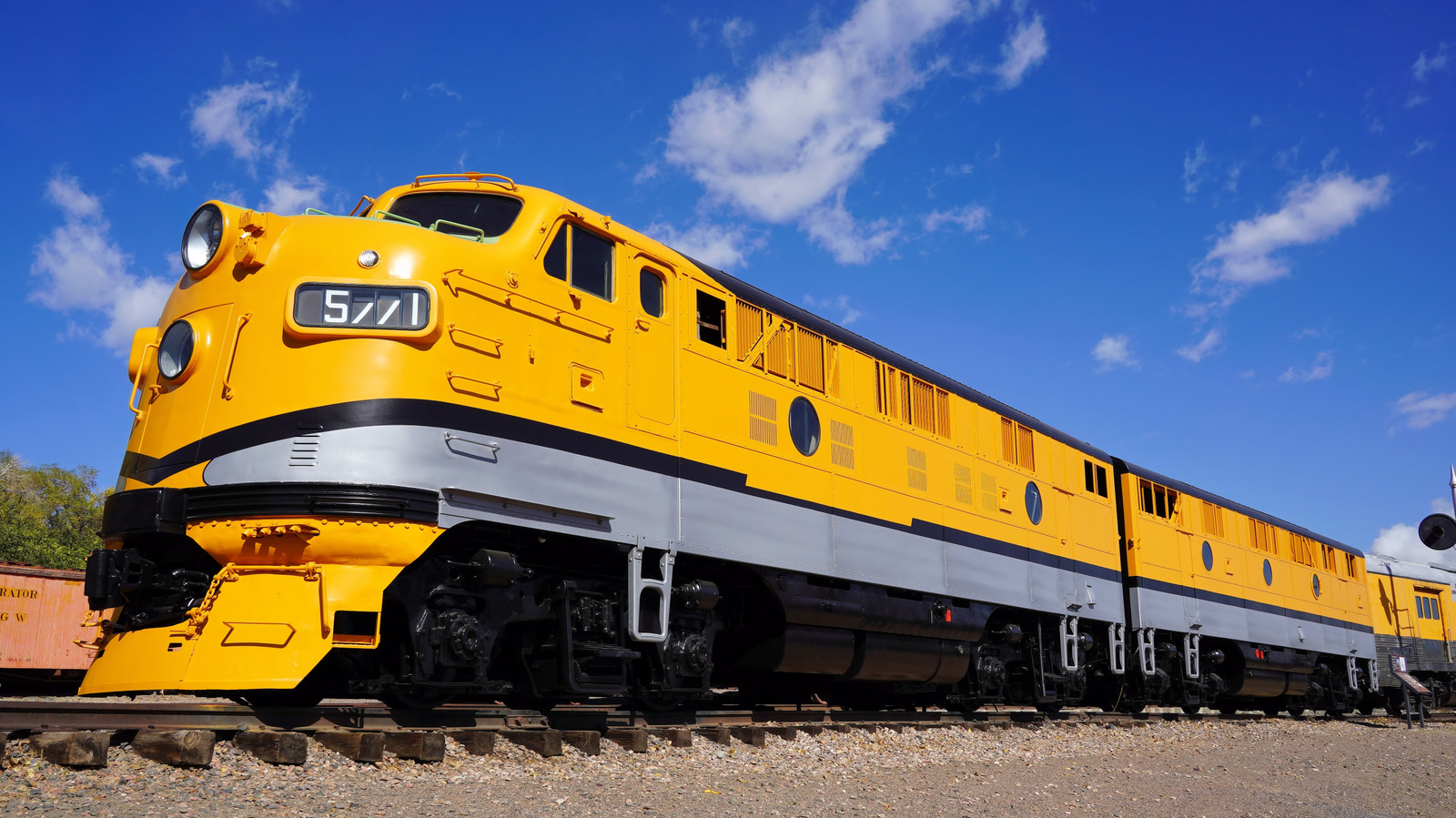
The U.S. freight rail industry remains largely dependent on diesel engines due to the high costs and extensive infrastructure required for widespread electrification. Unlike passenger rail systems, freight operations cover vast distances across diverse terrain, often without access to overhead power lines or dedicated charging stations. Maintaining diesel fleets allows for operational flexibility, consistent performance in remote areas, and lower upfront investment compared to building out electric infrastructure. Additionally, the existing supply chain and maintenance networks are deeply entrenched in diesel technology, making rapid transition impractical.
While battery-powered trains show promise for shorter routes and regional service, they face limitations in range and payload capacity that hinder their use in long-haul freight. The rail industry prioritizes reliability and efficiency over speculative advancements, especially when current diesel engines meet demand effectively. Although environmental regulations may drive future changes, incremental improvements in diesel efficiency and emissions control continue to support its role. Any shift toward electrification will likely occur gradually, focused on specific corridors rather than a nationwide overhaul.