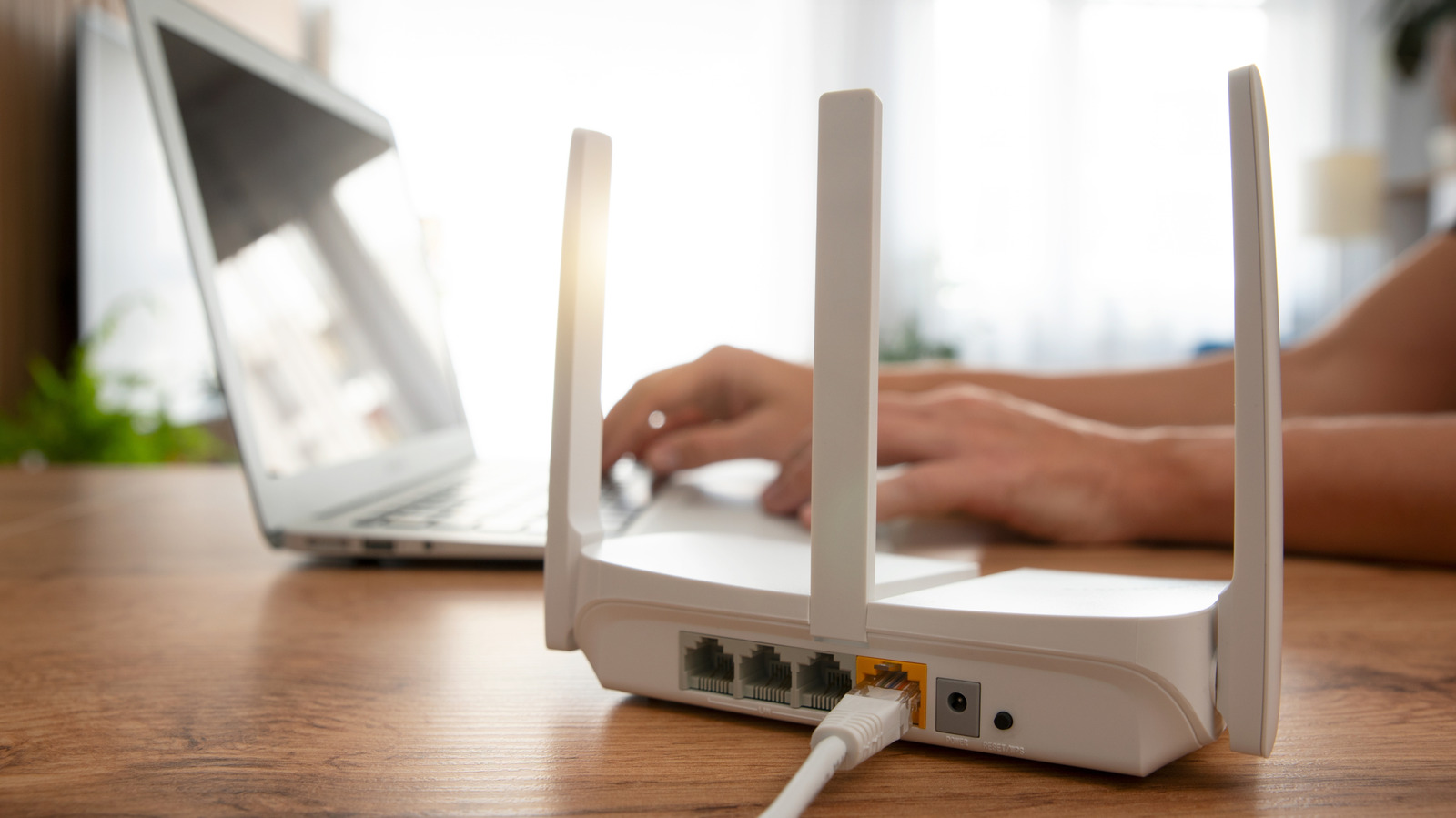
A closer look at “Why Your Devices May Be on the Wrong Wi-Fi Band—and How It Slows Them Down”, exactly as the source publishes it. Most modern routers broadcast on two or even three Wi-Fi bands—typically 2.4 GHz, 5 GHz, and increasingly 6 GHz—but many devices automatically connect to a less optimal band, causing unnecessary slowdowns. The 2.4 GHz band offers longer range but lower speeds and more interference, while 5 GHz and 6 GHz deliver faster throughput over shorter distances. When a device like a laptop or smartphone stays on 2.4 GHz despite being close to the router, it misses out on significant performance gains.
This often happens because routers use a single network name (SSID) for all bands, leaving the device to decide based on signal strength rather than speed needs. Understanding band differences and manually steering devices—or using band-steering features—can dramatically improve streaming, gaming, and video calls. For the complete material, the listing points back to the source inside the network.