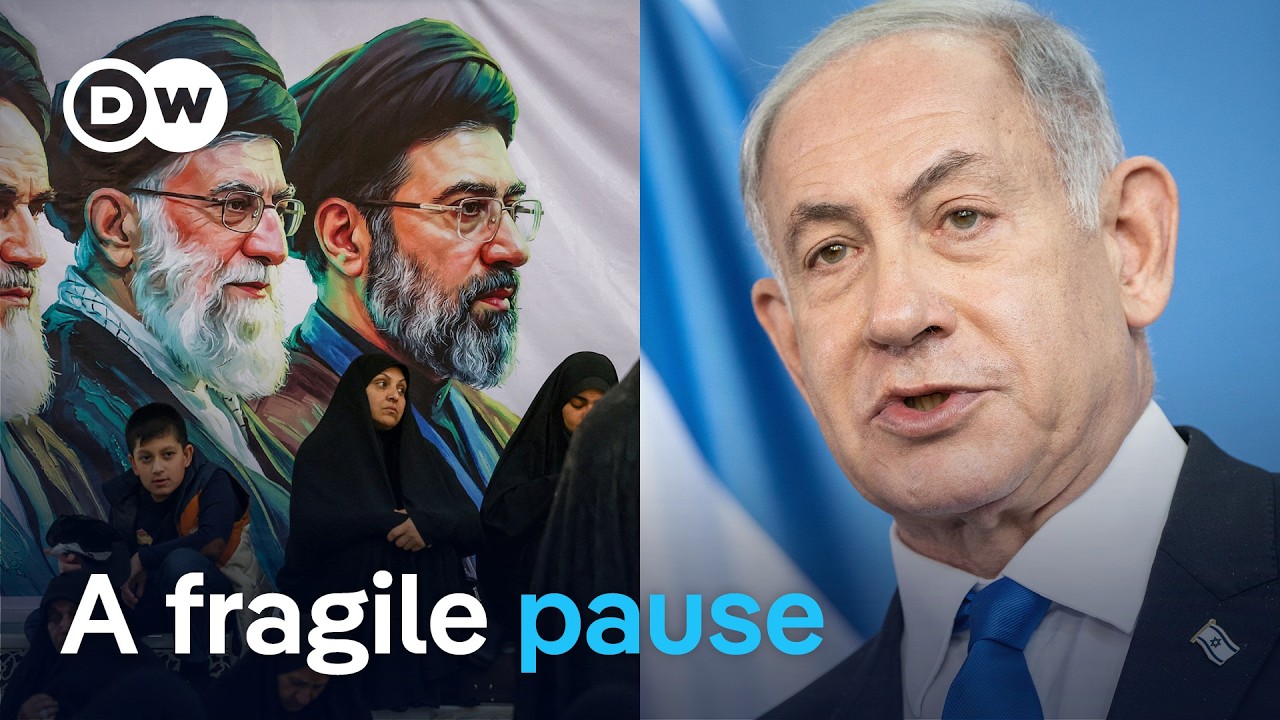
Israel and Iran have temporarily halted military strikes, avoiding a full-scale conflict after a recent exchange of attacks. While both sides have agreed to pause hostilities, they continue to warn of future retaliation if provoked. This rapid escalation followed by swift de-escalation has sparked debate over whether such limited confrontations could become a recurring pattern in their ongoing tensions. Analysts suggest that the cycle of provocation and restraint may reflect a new form of regional standoff, where direct war is avoided but intermittent violence persists.
The situation underscores growing concerns about stability in the Middle East amid shifting geopolitical dynamics. With external influences and regional rivalries intensifying, the risk of miscalculation remains high. Experts emphasize the need for diplomatic channels to prevent further escalation. As both nations maintain readiness, the international community watches closely for signs of renewed tension or potential breakthroughs in dialogue.