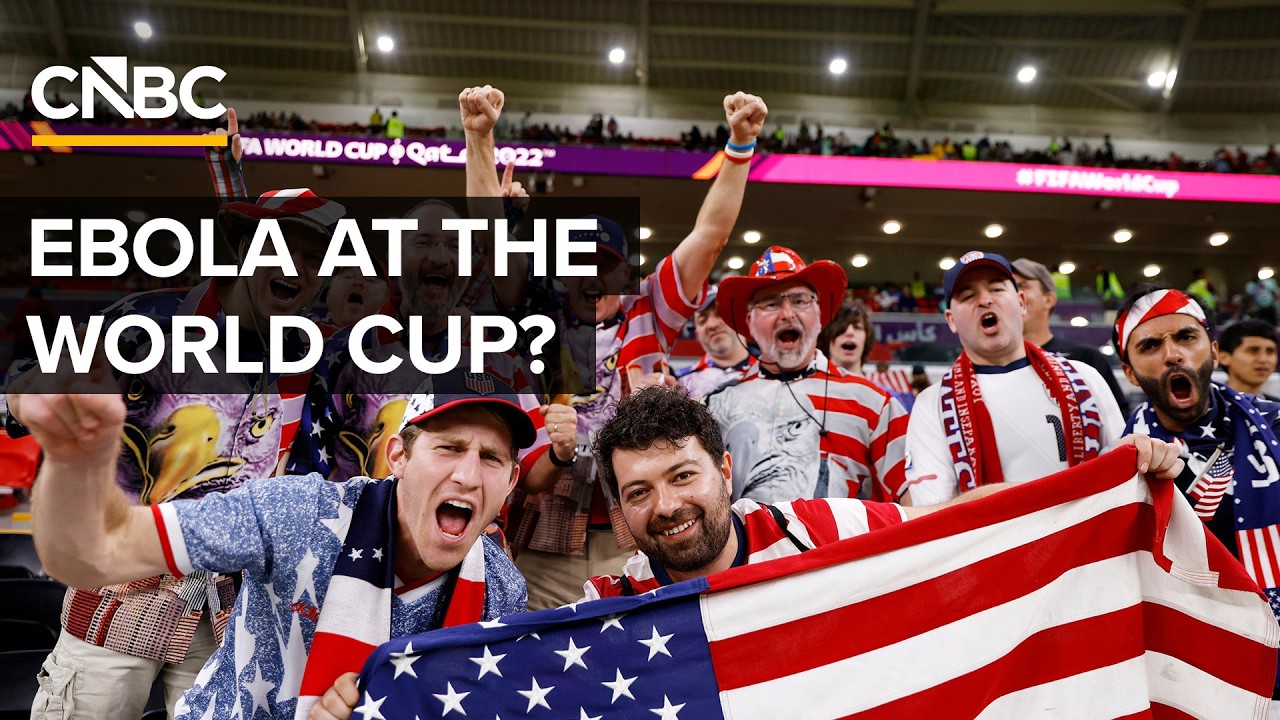
The 2026 World Cup is expected to attract unprecedented global attendance, raising concerns about public health risks in densely populated event areas. While high-profile diseases like Ebola and hantavirus receive significant media attention, health experts emphasize that more common and easily spread illnesses present a greater actual threat during large gatherings. In environments such as stadiums and fan zones, respiratory infections and gastrointestinal viruses can rapidly circulate among attendees. Authorities are directing resources toward monitoring and preventing these highly transmissible conditions rather than focusing on rare outbreaks.
Organizers are implementing targeted surveillance and prevention strategies based on realistic health scenarios. This approach aims to protect millions of international visitors while managing the logistical demands of a worldwide event. The focus is on preparedness for widespread but less dramatic health threats, ensuring safety without unnecessary alarm. Production by Natalie Rice and animation by Emily Park support this comprehensive overview of health planning for major global sports events.